
Alltagsküche
Kochen, wie es zuhause schmeckt

Burgundy Rolled Roast: Slow-Braised with Red Wine Sauce
🛒 Ingredients
- ✓
1 Burgundy rolled roast (approx. 1 kg, tied or in netting)
- ✓
2 tbsp neutral oil or clarified butter, for browning
- ✓
300 g soup vegetables or root vegetables (carrot, celery, leek)
- ✓
2 medium onions
- ✓
1 tbsp tomato purée
- ✓
2 bay leaves
- ✓
5 juniper berries
- ✓
1 tsp black peppercorns
- ✓
250 ml Burgundy red wine or another dry red wine
- ✓
500 ml beef stock
- ✓
100 ml water or extra stock, as needed
- ✓
1 tbsp dark gravy thickener or 1 tsp cornflour
- ✓
Salt and freshly ground black pepper
📊 Nutritional Information
This recipe is also available in German.
Explore these articles
📌 Overview
Burgundy rolled roast is a hearty braised main course for autumn, winter, Sunday lunch and festive family meals. The meat is not simply baked in the oven; it is browned first, then slowly braised with root vegetables, Burgundy red wine, beef stock, bay leaves, juniper berries and peppercorns. This creates a dark, aromatic red wine sauce while keeping the rolled roast juicy enough to slice neatly. The netting or string should stay on during cooking, the oven temperature should be moderate and the roast should rest before carving. For a reliable result, cooking time, core temperature and a properly reduced sauce matter more than speed.
👨🍳 How to make Burgundy Rolled Roast
- 1
Preheat the oven to 160°C conventional. Pat the Burgundy rolled roast dry, but do not remove the netting or string, as it helps the meat keep its shape during braising. Season all over with salt and freshly ground black pepper.
- 2
Peel or trim the soup vegetables and onions, then cut them into rough chunks. Larger pieces are better for long braising because they flavour the sauce and can be strained out easily later.
- 3
Heat the oil or clarified butter in a heavy casserole dish. Brown the rolled roast over medium-high heat on all sides until it has good colour. Remove it from the dish and set aside briefly.
- 4
Add the vegetables and onions to the casserole dish and roast them for 5–8 minutes. Stir in the tomato purée and cook for 1–2 minutes, until it darkens slightly and smells lightly caramelised. This gives the sauce depth and colour.
- 5
Deglaze with the red wine, scraping up the browned bits from the bottom. Let the wine reduce for 3–5 minutes so the raw alcohol note fades and the sauce does not taste sharp.
- 6
Pour in the beef stock. Add the bay leaves, juniper berries and peppercorns. Return the rolled roast to the casserole dish; it should sit partly in the liquid, but it does not need to be fully covered.
- 7
Cover with a lid and braise on the middle shelf for about 90–120 minutes. Turn the roast once halfway through, or baste it with the braising liquid. Add a little water or stock if the liquid reduces too much.
- 8
The roast is ready when it is tender and has reached a safe internal temperature for the cut used. For a fully cooked rolled roast, about 75–80°C is a useful guide. If unsure, use a meat thermometer rather than relying only on time.
- 9
Remove the rolled roast from the casserole dish, cover loosely and let it rest for 10–15 minutes. Only then remove the netting or string and slice the meat, so less juice escapes.
- 10
Strain the cooking juices, vegetables and spices through a sieve into a saucepan. Simmer the sauce for a few minutes to reduce it. If needed, thicken with dark gravy thickener or cornflour mixed with cold water.
- 11
Season the sauce with salt and freshly ground black pepper. If it tastes too strong, loosen it with a little stock; if it tastes thin, reduce it further. Serve the sliced rolled roast with the red wine sauce.
🧠 Why It Works
Burgundy rolled roast works best when browning, braising liquid and resting time all work together. Browning the meat creates savoury colour and flavour, while roasted vegetables and tomato purée build the base for a dark sauce. Red wine adds acidity, fruit and depth, but reducing it first prevents a raw alcoholic taste. Beef stock gives body and keeps the roast from cooking dry. Bay, juniper and peppercorns add a classic spiced note that suits braised meat. Cooking in a covered casserole dish keeps moisture in the dish, while the longer time at moderate heat makes the meat more tender than a short, hot roast. Resting after braising lets the juices settle, giving cleaner and juicier slices.
🛠️ Troubleshooting
Why is my Burgundy rolled roast dry?
Dryness is usually caused by too high a temperature, too little braising liquid or carving too soon. Braise the roast covered at 160°C and rest it for 10–15 minutes before slicing. When reheating, always warm it with some sauce.
What can I do if the rolled roast is tough?
If the roast is tough, it probably needs more time or gentler cooking. Add a little stock, cover the casserole dish again and braise for another 20–30 minutes. Tough braising cuts become tender with time, not higher heat.
How do I thicken red wine sauce for rolled roast?
Simmer the strained sauce uncovered for a few minutes to reduce it. If it is still too thin, stir in gravy thickener or use 1 tsp cornflour mixed with cold water, then simmer until glossy.
What if the red wine sauce tastes too acidic?
Reduce the red wine before adding the stock. If the finished sauce tastes too acidic, simmer it longer, add a little stock, whisk in a small piece of cold butter or add a tiny pinch of sugar. Do not make the sauce sweet.
How can I make the sauce taste richer?
More depth comes from browning the meat and vegetables properly, roasting the tomato purée, reducing the wine and seasoning carefully. A small dash of Worcestershire sauce or a little extra reduced red wine suits this style better than too much soy sauce.
Can I prepare Burgundy rolled roast ahead of time?
Yes. The roast is excellent made ahead. Let it cool whole in the sauce, refrigerate it and reheat slowly the next day. Slice it after reheating or shortly before serving so it stays juicier.
When should I remove the netting from a rolled roast?
Keep the netting or string on during cooking so the roast holds its shape. Remove it only after the resting time, just before slicing.
💡 Tips and Variations
- •
Choose a rolled roast with a little marbling if possible. Very lean meat dries out more easily and needs especially gentle heat.
- •
A lidded casserole dish is better than an open roasting tray because it traps moisture and helps the roast braise evenly.
- •
For a stronger sauce, brown the vegetables and tomato purée well. This flavour base matters more than adding a lot of thickener at the end.
- •
Dried mushrooms can be added alongside juniper rather than simply replacing it. They bring umami and deepen the red wine sauce.
- •
For a smoother, glossier sauce, reduce it after straining and whisk in a small piece of cold butter at the end.
- •
For an alcohol-free version, replace the red wine with beef stock and a small splash of dark grape juice or blackcurrant juice. The sauce will be milder but still fruity and savoury.
- •
Vegetarian option: A stuffed portobello roast, nut roast or seitan roast can be served with the same vegetables and a strong vegetable red wine sauce.
- •
Good side dishes include spaetzle, potato dumplings, bread dumplings, red cabbage, Brussels sprouts or mashed potatoes because they soak up the red wine sauce.
📦 Storage
Leftovers can be kept covered in the fridge for 2–3 days. The rolled roast stays juiciest when stored in the sauce and reheated slowly over low heat. Sliced meat should be warmed gently in the sauce and not boiled. The sauce freezes very well on its own. The roast can also be frozen, preferably in portions with a little sauce so it does not dry out after thawing.
🍷 Pairing
Burgundy rolled roast pairs especially well with German Spätburgunder from Baden, the Pfalz or the Ahr because its red fruit, fine acidity and moderate tannins echo the red wine sauce without overpowering the meat. Pinot Noir from Burgundy is the natural international choice, especially if Burgundy wine was used in the sauce. For a stronger pairing, choose Côtes du Rhône. For a non-alcoholic option, try dark grape juice diluted with sparkling water, alcohol-free red wine or strong black tea.
❓ F.A.Q.
How long does Burgundy rolled roast take in the oven?
A 1 kg rolled roast usually needs about 90–120 minutes at 160°C conventional in a covered casserole dish. The exact time depends on the cut, thickness and oven, so a meat thermometer is more reliable than time alone.
Can I cook Burgundy rolled roast in a covered casserole dish?
Yes, a lidded casserole dish is recommended. It keeps moisture in the dish, protects the roast from drying out and helps the meat, red wine, stock and vegetables create a rich sauce.
Should I remove the netting before cooking rolled roast?
No. Keep the netting or string on during cooking so the rolled roast holds its shape. Remove it only after resting, just before slicing.
What can I use instead of juniper berries?
Juniper gives a resinous, slightly peppery flavour that works well with rich meat and red wine. If you dislike juniper, reduce it or add a little allspice, thyme or dried mushrooms instead.
Can I make Burgundy rolled roast the day before?
Yes. It often tastes even better reheated. Cool the roast whole in the sauce, refrigerate it and warm it slowly the next day. Slice only after reheating or just before serving.
What side dishes go with Burgundy rolled roast?
Classic sides include spaetzle, potato dumplings, bread dumplings, mashed potatoes, red cabbage or Brussels sprouts. Choose a side that can absorb the rich red wine sauce.
Can I make Burgundy rolled roast without red wine?
Yes. Replace the red wine with extra beef stock and a little dark grape or blackcurrant juice. The sauce will be less complex, but it will still have colour, fruitiness and gentle depth.
🏛️ History and Tradition
The Burgundy rolled roast is a traditional German dish rooted in the culinary heritage of southwestern Germany, particularly Baden-Württemberg. Historically, it reflects the region’s affinity for slow-cooked meats enriched with local wines and forest spices like juniper berries. Often served during family gatherings and festive occasions in autumn and winter, this dish embodies the German ethos of hearty, flavourful comfort food. Its preparation and ingredients highlight the integration of regional produce and wine culture, reinforcing its status as a classic main course in German everyday cuisine.
Burgundy rolled roast is a classic braised roast that rewards patience more than speed. Browning the meat, reducing the red wine, braising slowly in a covered dish and resting before slicing are the steps that create juicy meat and a rich red wine sauce. Served with spaetzle, dumplings, red cabbage or mashed potatoes, it becomes a festive main course for autumn, winter and cosy family meals.
Rate this recipe
Click or tap the stars to rate
Explore these guides
-
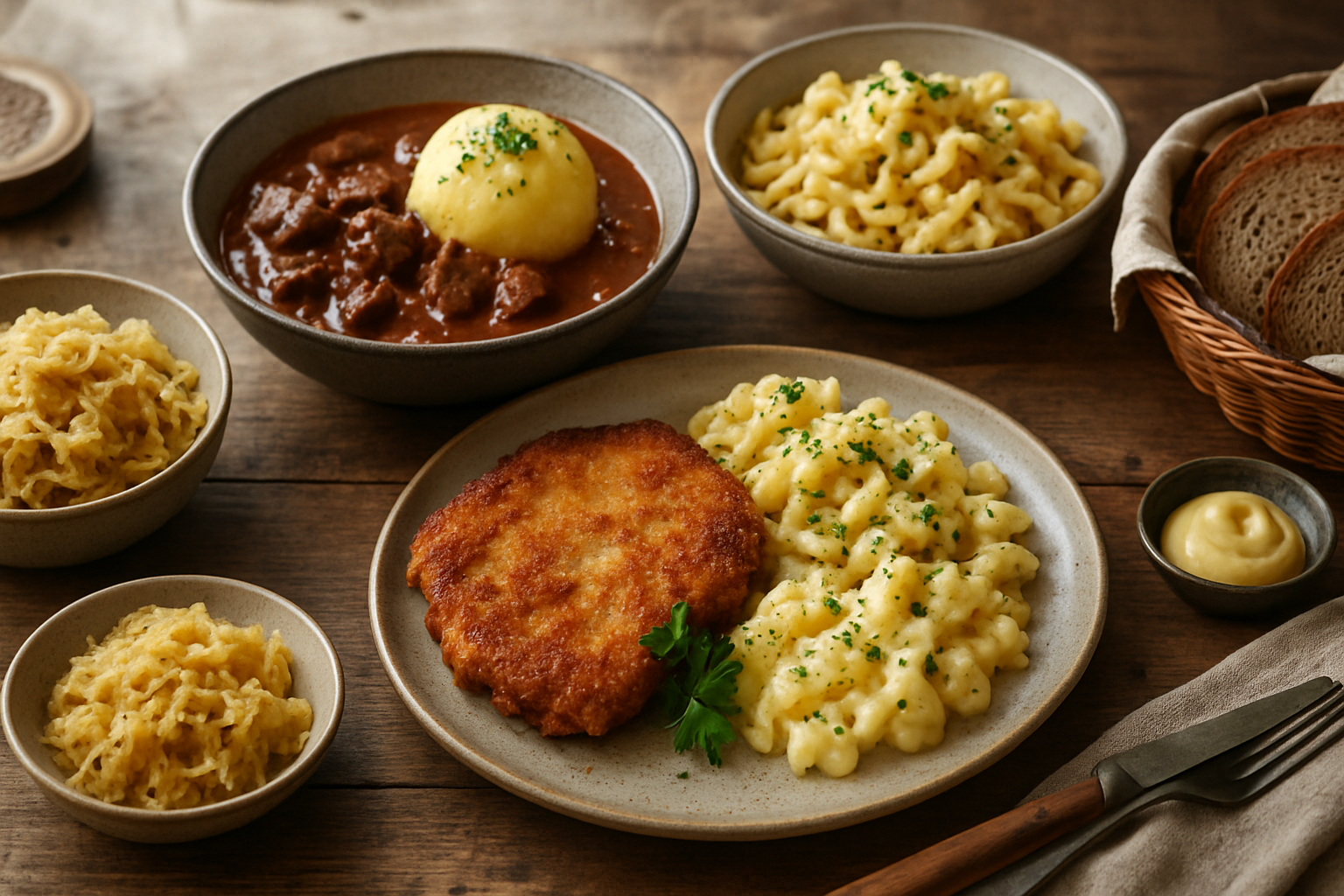 Classic German Dishes: Traditional Recipes
Discover Classic German Dishes that bring authentic flavours and timeless recipes to your kitchen. Dive into hearty meals and traditional favourites you’ll love.