
Alltagsküche
Kochen, wie es zuhause schmeckt

Burgundy Rolled Roast with Red Wine Sauce – Classic German Comfort
Discover the authentic Burgundy rolled roast recipe with aromatic red wine sauce and root vegetables. Perfect German main course for cosy family dinners.
📖 What is it
Discover the authentic Burgundy rolled roast recipe with aromatic red wine sauce and root vegetables. Perfect German main course for cosy family dinners.
🛒 Ingredients
- ✓ 1 Burgundy rolled roast (approx. 1 kg)
- ✓ 300 g soup vegetables (carrot, celery, spring onions)
- ✓ 2 medium onions
- ✓ 2 bay leaves
- ✓ 5 juniper berries
- ✓ 1 tsp black peppercorns
- ✓ 250 ml Burgundy red wine
- ✓ 500 ml beef stock
- ✓ 100 ml water
- ✓ 1 tbsp dark gravy granules or thickener
- ✓ Salt and freshly ground black pepper
📊 Nutritional Information
This recipe is also available in German .
Explore these articles
The Burgundy rolled roast is a quintessential German main course, especially cherished in regions like Baden-Württemberg and Bavaria. This dish features tender beef slowly roasted with aromatic root vegetables, bay leaves, and juniper berries, infused with a rich Burgundy red wine sauce. Its comforting flavours make it a beloved choice for family meals during colder seasons, embodying authentic German culinary tradition.
👨🍳 Preparation
- 1
Preheat your oven to 180°C (fan 160°C, gas mark 4).
- 2
Remove the netting from the Burgundy rolled roast and place the meat in a deep roasting tray or casserole dish.
- 3
Peel the soup vegetables and onions, roughly chop them, and scatter around the roast.
- 4
Sprinkle the bay leaves, juniper berries, and peppercorns over the vegetables.
- 5
Carefully pour the red wine and beef stock over the vegetables and meat.
- 6
Place the tray on the middle shelf of the oven and roast for about 45 minutes, until the meat is cooked through and tender.
- 7
Remove the roast and allow it to rest briefly.
- 8
Strain the cooking juices through a sieve into a saucepan, add the water, and bring to the boil.
- 9
Stir in the gravy granules and simmer gently, stirring, until the sauce thickens.
- 10
Season the sauce with salt and freshly ground pepper to taste.
- 11
Slice the rolled roast into thick pieces and serve with the fragrant red wine sauce.
🧠 Why It Works
This dish balances the robust flavour of the Burgundy rolled roast with the earthy sweetness of root vegetables and the aromatic complexity of bay leaves and juniper berries. The slow roasting process tenderises the meat while allowing the red wine and beef stock to meld into a deeply savoury sauce. The interplay of fat from the marbled meat, acidity from the wine, and the subtle spice from juniper creates a harmonious flavour profile typical of traditional German cuisine. The sauce’s silky texture, achieved by careful thickening, complements the meat’s succulence, making the dish both hearty and refined.
🛠️ Troubleshooting
Why is my Burgundy rolled roast tough after cooking?
Toughness often results from insufficient cooking time or too high oven temperature. Slow roasting at moderate heat allows connective tissues to break down, yielding tender meat.
How can I prevent the sauce from being too thin or watery?
Ensure to simmer the strained cooking juices with gravy granules or a thickener until the sauce reaches a silky consistency. Avoid adding too much water initially.
What if the sauce tastes too acidic from the wine?
Balancing acidity can be achieved by adding a small amount of sugar or a dash of soy sauce to deepen umami and round out sharp notes.
How should leftovers be stored and reheated?
Store leftovers covered in the fridge for up to two days. Reheat gently on the stove to preserve meat tenderness and sauce texture. The sauce can also be frozen for longer storage.
💡 Tips and Variations
- •
For a richer version, choose a cut with some marbling and add a splash of cream to the sauce for extra silkiness.
- •
Pro tip: Using a lidded casserole dish helps keep the meat juicy by trapping steam during cooking.
- •
The dish’s star is the intense flavour of the meat paired with the spiced red wine sauce.
- •
Vegetarian option: Swap the rolled roast for a large portobello mushroom roast or stuffed seitan.
- •
For a different twist, replace juniper berries with dried mushrooms to boost the umami notes.
- •
Secret ingredient: A dash of soy sauce in the sauce enhances the depth of flavour beautifully.
- •
Quick vegan adaptation: Use vegetable stock instead of beef, substitute the roast with seitan, and thicken the sauce with cornflour.
- •
The magic of this dish lies in the gentle cooking time and the harmony of red wine and spices that infuse the meat with its distinctive aroma.
📦 Storage
Leftovers can be covered and kept in the fridge for up to 2 days. The sauce freezes well and can be reheated when needed.
🍷 Pairing
A German Spätburgunder from the Ahr region, with its bright acidity and subtle spice, beautifully complements the Burgundy rolled roast’s rich red wine sauce, enhancing the dish’s aromatic complexity. Alternatively, a Baden Pinot Noir offers a slightly earthier profile with balanced tannins that harmonise with the juniper and root vegetables. For an international touch, an Italian Barbera from Piedmont, known for its vibrant acidity and fruity character, pairs elegantly, cutting through the roast’s richness while echoing the wine’s depth, thus creating a refined and culturally coherent dining experience.
❓ F.A.Q.
What cut of meat is best for a Burgundy rolled roast?
A rolled beef roast with some marbling, such as a shoulder or brisket cut, works best as it becomes tender and flavorful when slow-roasted with wine and spices.
Can I prepare the Burgundy rolled roast in advance?
Yes, the roast can be cooked a day ahead and reheated gently. The sauce often tastes even better after resting as the flavours deepen.
How do juniper berries affect the flavour of the roast?
Juniper berries add a piney, slightly resinous aroma that enhances the meat’s richness and complements the red wine’s fruity acidity, a classic flavour combination in German cooking.
Is there a vegetarian alternative to this dish?
Yes, substituting the roast with a large portobello mushroom or stuffed seitan and using vegetable stock instead of beef stock creates a satisfying vegetarian version with similar aromatic depth.
What side dishes pair well with Burgundy rolled roast?
Traditional sides include buttery spaetzle, red cabbage, or roasted potatoes, which balance the rich sauce and tender meat, enhancing the overall meal experience.
🏛️ History and Tradition
The Burgundy rolled roast is a traditional German dish rooted in the culinary heritage of southwestern Germany, particularly Baden-Württemberg. Historically, it reflects the region’s affinity for slow-cooked meats enriched with local wines and forest spices like juniper berries. Often served during family gatherings and festive occasions in autumn and winter, this dish embodies the German ethos of hearty, flavourful comfort food. Its preparation and ingredients highlight the integration of regional produce and wine culture, reinforcing its status as a classic main course in German everyday cuisine.
With its perfect balance of tender meat and aromatic red wine sauce, this Burgundy rolled roast is a classic that deserves a place on your festive table. Its straightforward preparation makes it just as appealing for a midweek treat, while the layers of flavour promise to make every mouthful a real delight. Do give it a go at home — it’s a dish that’s sure to bring warmth and smiles to your family and friends.
Rate this recipe
Click or tap the stars to rate
Explore these guides
-
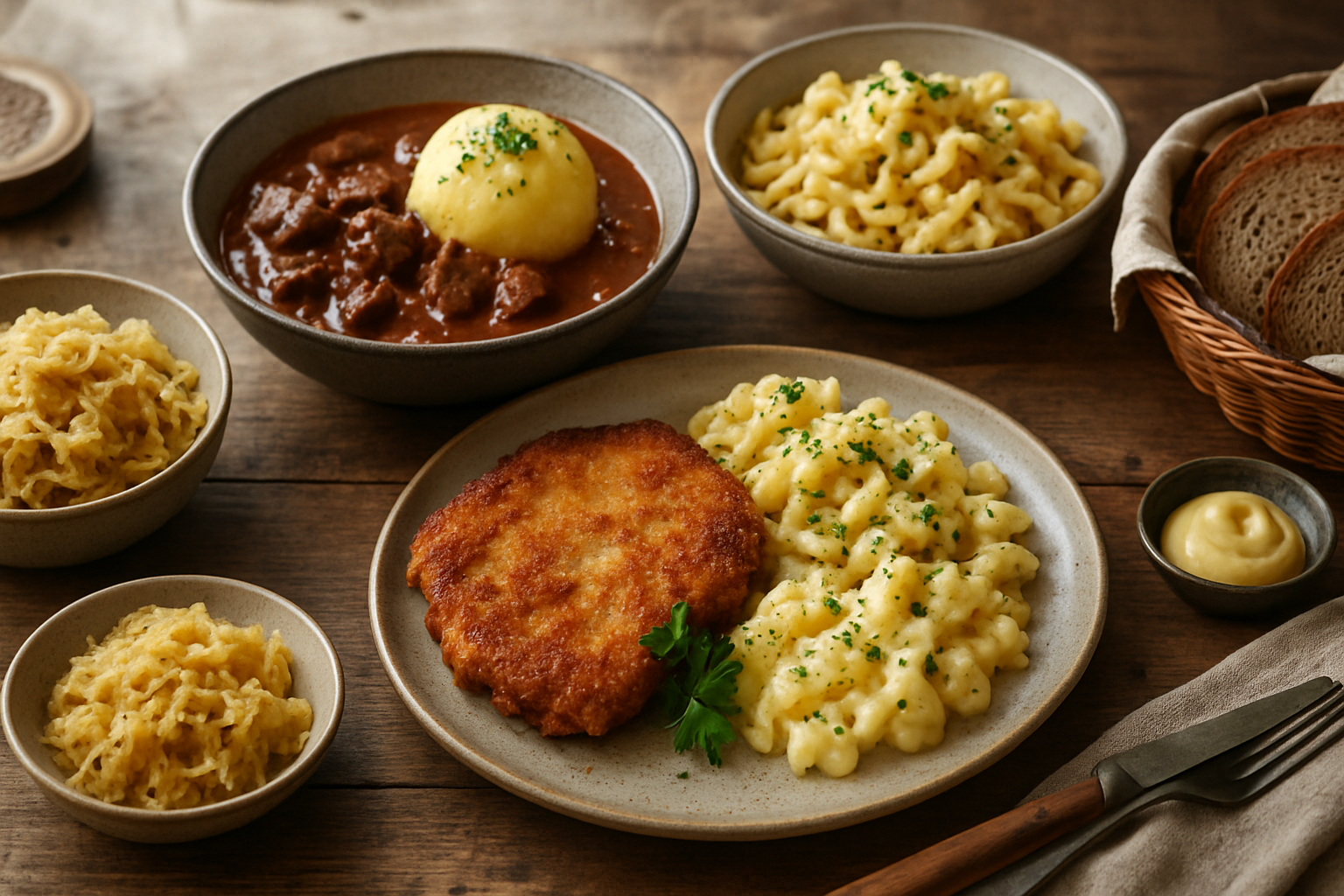 Classic German Dishes: Traditional Recipes
Discover Classic German Dishes that bring authentic flavours and timeless recipes to your kitchen. Dive into hearty meals and traditional favourites you’ll love.