
Alltagsküche
Kochen, wie es zuhause schmeckt
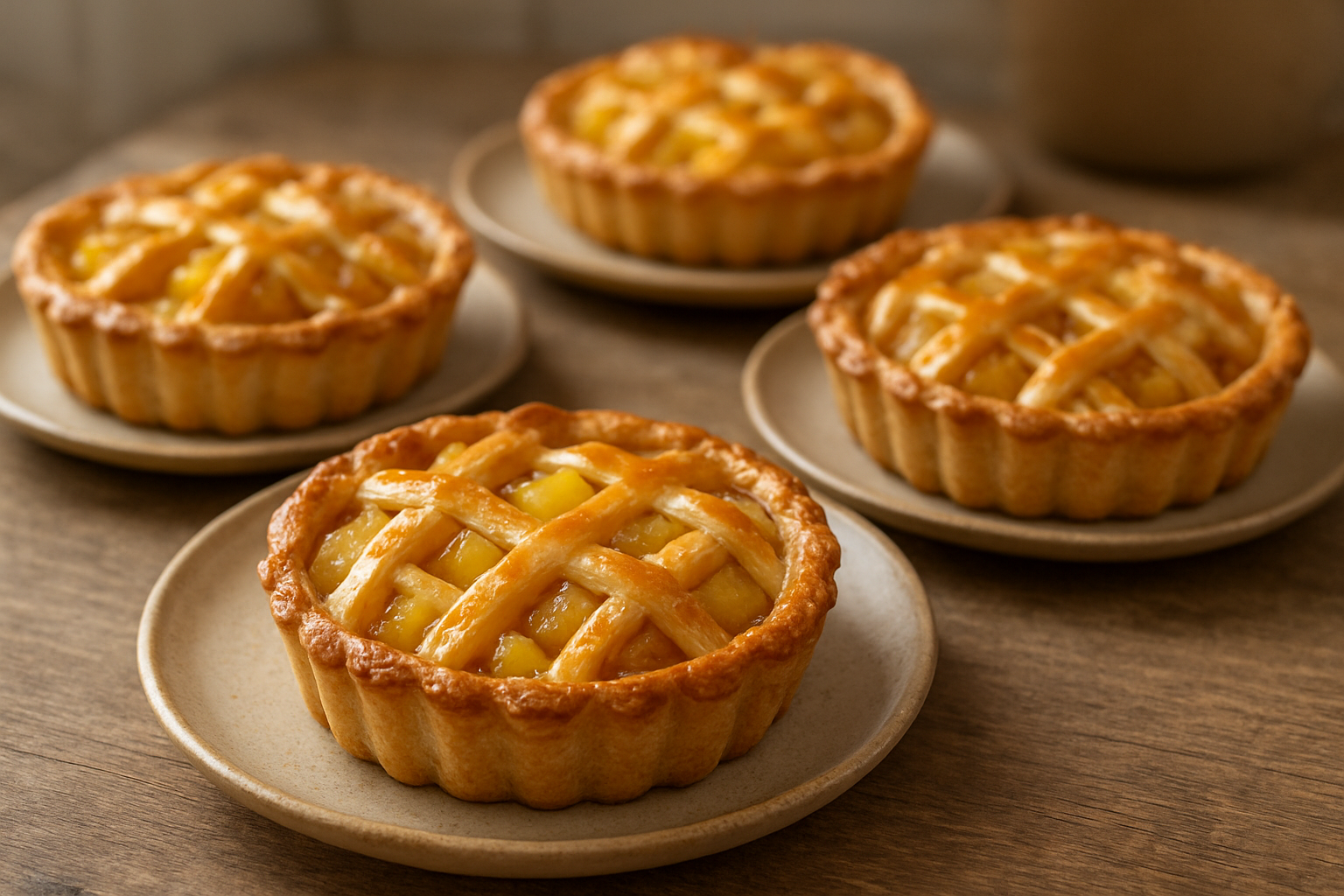
Vietnamese Pineapple Tartlets – A Tropical Treat for Summer Baking
Discover authentic Vietnamese pineapple tartlets with crisp shortcrust pastry and fragrant pineapple filling. Perfect for summer desserts and easy baking.
📖 What is it
Discover authentic Vietnamese pineapple tartlets with crisp shortcrust pastry and fragrant pineapple filling. Perfect for summer desserts and easy baking.
🛒 Ingredients
- ✓ 110 g softened butter
- ✓ 25 g sugar
- ✓ 200 g plain flour
- ✓ 2 tbsp milk
- ✓ 1 fresh pineapple
- ✓ 100 g sugar for the filling
- ✓ a few drops of butter-vanilla flavouring
- ✓ 1 egg, for brushing
This recipe is also available in German .
Vietnamese pineapple tartlets are delicate pastries featuring a crisp, buttery shortcrust base filled with a fragrant, lightly caramelised pineapple mixture. Originating from Vietnam’s rich baking tradition, these tartlets offer a tropical flavour contrast that is both refreshing and comforting, ideal for summer gatherings or festive occasions. Their balance of texture and aroma makes them a standout dessert in international cuisine.
👨🍳 Preparation
- 1
Beat the butter and sugar together in a mixing bowl with an electric hand whisk until light and creamy.
- 2
Add the flour and milk, then quickly bring everything together into a smooth shortcrust pastry. Divide the dough into four equal balls.
- 3
Lightly flour the work surface and roll out each ball of dough to roughly 2 mm thick.
- 4
Line four small tart tins (about 10 cm in diameter with 2.5 cm sides) with the pastry, pressing it in gently and trimming away any excess.
- 5
Using the remaining pastry, cut thin strips with a pastry wheel and ruler to make the lattice topping later on.
- 6
Preheat the oven to 160°C conventional.
- 7
Peel the pineapple, remove the core and cut the flesh into very small dice.
- 8
Put the diced pineapple and 100 g sugar into a frying pan and cook, stirring, until the fruit releases a lightly syrupy juice.
- 9
Add a few drops of butter-vanilla flavouring, then spoon the filling evenly into the prepared pastry cases.
- 10
Arrange the pastry strips over the pineapple filling in a lattice pattern.
- 11
Beat the egg and gently brush it over the pastry lattice so it turns glossy as it bakes.
- 12
Bake on the middle shelf for about 45 minutes, until the pastry is golden brown.
- 13
Remove from the oven and leave the tartlets to cool in their tins.
- 14
Carefully loosen the edges with a knife and gently turn the tartlets out, taking care not to damage the lattice.
🧠 Why It Works
The success of these tartlets lies in the harmonious balance between the buttery, crumbly shortcrust pastry and the sweet, aromatic pineapple filling. The pastry’s fat content ensures a tender texture while the lattice topping allows steam to escape, preserving crispness. Cooking the pineapple with sugar and vanilla intensifies its natural sweetness and adds depth, while the gentle caramelisation creates a subtle acidity that cuts through the richness of the butter. This interplay of fat, acid, and sweetness reflects a refined tropical flavour profile consistent with Vietnamese dessert traditions.
🛠️ Troubleshooting
Why is my pastry soggy after baking?
Sogginess often results from underbaking or excess moisture in the filling. Ensure the pineapple filling is cooked down to a lightly syrupy consistency before filling the pastry and bake until the crust is golden and firm.
How do I prevent the lattice topping from burning?
Brush the lattice gently with egg wash and monitor baking time closely. Baking at a moderate temperature (160°C) helps the pastry brown evenly without burning.
What if the pineapple filling is too tart or too sweet?
Adjust sugar levels during cooking to balance tartness. Adding a few drops of vanilla or a pinch of salt can also enhance flavour complexity and balance sweetness.
Can I freeze the tartlets?
Freezing is not recommended as the pastry may lose its crispness and the filling texture can degrade. It is best to enjoy them fresh or refrigerated for short-term storage.
💡 Tips and Variations
- •
For an even more tender, crumbly pastry, use cold butter cut into small pieces and rub it into the flour with your fingertips. You can also stir a little coconut milk into the pineapple filling for a more tropical flavour.
- •
A fluted pastry wheel will give you particularly decorative lattice strips. For neat, even baking, small tart tins with removable bases are especially useful.
- •
The sweet, fruity flavour of the pineapple is very much the star of these tartlets.
- •
This recipe is already vegetarian. For a vegan version, swap the butter for plant-based margarine and replace the egg wash with a mixture of plant milk and maple syrup.
- •
If you like, you can use other tropical fruits such as mango or papaya in place of the pineapple for a similarly fruity sweetness.
- •
A few drops of vanilla extract in the pineapple filling will deepen the flavour beautifully.
- •
For a quick gluten-free and vegan adaptation, use gluten-free flour and vegan margarine. A mixture of soya milk and agave syrup works well for brushing the pastry.
- •
The real charm of these tartlets lies in the contrast between the delicate pastry and the fragrant, lightly caramelised pineapple filling, which gives them such a balanced flavour.
📦 Storage
These tartlets will keep well, covered, at room temperature for 1–2 days. For longer storage, keep them in the fridge and warm them slightly before serving.
🍷 Pairing
These Vietnamese pineapple tartlets pair exquisitely with German dry Riesling from the Mosel region, whose vibrant acidity and mineral notes cut through the tartlets’ buttery richness and complement the pineapple’s sweetness. A Baden Pinot Gris offers a rounder mouthfeel and subtle fruit aromas that echo the tropical filling while enhancing the pastry’s delicate texture. For an international touch, an Italian Pinot Grigio from Alto Adige provides a crisp, fresh profile with light floral and citrus hints, balancing the dessert’s sweetness and reinforcing the overall gastronomic harmony.
❓ F.A.Q.
Can I prepare Vietnamese pineapple tartlets in advance?
Yes, these tartlets can be made ahead and stored at room temperature for 1–2 days or refrigerated for longer freshness. Reheat gently before serving to restore the crispness of the pastry.
How do I achieve a perfectly crisp shortcrust pastry for tartlets?
Use cold butter cut into small pieces and rub it quickly into the flour to prevent gluten development. Avoid overworking the dough and chill it before rolling out to maintain flakiness and tenderness.
What are suitable vegan and gluten-free substitutions for this recipe?
Replace butter with plant-based margarine and use gluten-free flour blends. For the egg wash, a mixture of plant milk and maple syrup works well to achieve a golden glaze.
How can I vary the filling while keeping the tartlets authentic?
You can substitute pineapple with other tropical fruits like mango or papaya, and add coconut milk to the filling for a richer, more tropical flavour, maintaining the balance of sweetness and acidity.
What is the best way to store and reheat the tartlets?
Store tartlets covered at room temperature for short-term or in the fridge for up to 3 days. Reheat in a low oven to preserve the pastry’s crisp texture without drying out the filling.
🏛️ History and Tradition
Vietnamese pineapple tartlets are a modern adaptation inspired by traditional Vietnamese baking, which blends indigenous ingredients with French pastry techniques introduced during colonial times. This fusion created unique desserts featuring tropical fruits like pineapple, celebrated in southern Vietnam’s culinary culture. Often enjoyed during festive occasions and family gatherings, these tartlets reflect Vietnam’s rich history of cross-cultural culinary exchange and highlight the country’s tropical bounty. Their growing popularity internationally underscores their role as a symbol of Vietnamese dessert artistry and cultural identity.
If you’re after a dessert that feels both a little special and wonderfully straightforward, these pineapple tartlets are well worth a go. The buttery pastry and bright, juicy filling make such a lovely combination, and they’re just the sort of bake that’s a pleasure to share. Do give them a try at home and serve them up to family or friends — I think they’ll go down a treat.
Rate this recipe
Click or tap the stars to rate