
Alltagsküche
Kochen, wie es zuhause schmeckt
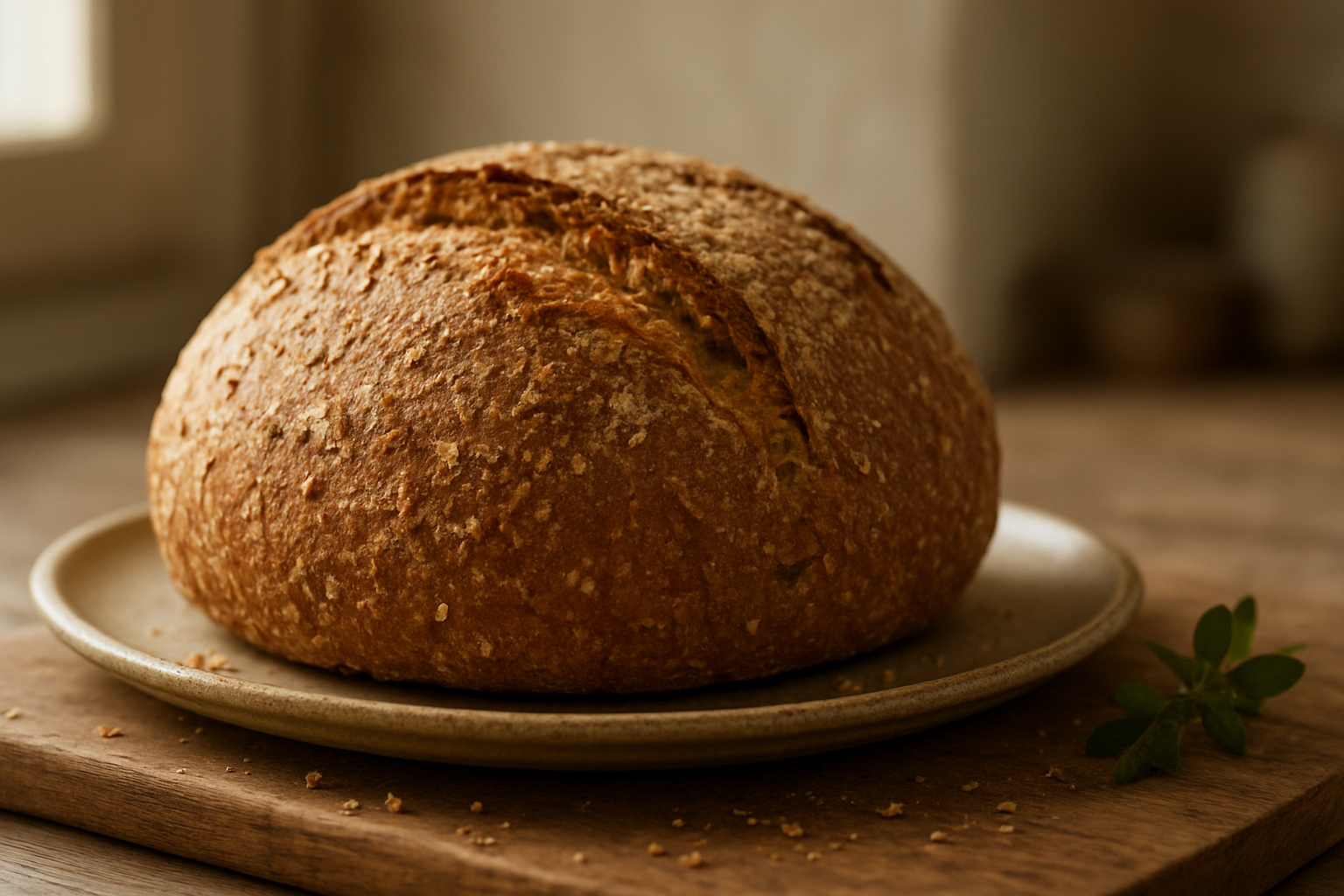
Rustic Wholemeal Loaf with Wheatgerm – Authentic German Everyday Bread
Bake a rustic wholemeal loaf with wheatgerm, honey, and corn oil. This wholesome German bread recipe offers a moist crumb and nutty flavour perfect for any meal.
📖 What is it
Bake a rustic wholemeal loaf with wheatgerm, honey, and corn oil. This wholesome German bread recipe offers a moist crumb and nutty flavour perfect for any meal.
🛒 Ingredients
- ✓ 420 ml lukewarm water
- ✓ 1 tbsp honey
- ✓ 500 g wholemeal wheat flour
- ✓ 50 g wheatgerm
- ✓ 1 sachet dried yeast (7 g)
- ✓ 1 tsp salt
- ✓ 2 tbsp corn oil
This recipe is also available in German .
A rustic wholemeal loaf is a traditional German bread known for its hearty texture and nutty wheatgerm flavour. Popular in regions like Bavaria and Swabia, this loaf combines wholesome wholemeal flour with subtle sweetness from honey, making it a versatile staple for breakfast or supper. Its authentic character and simple ingredients reflect everyday German baking culture.
👨🍳 Preparation
- 1
Warm the water until lukewarm, then stir in the honey until fully dissolved.
- 2
In a large mixing bowl, combine the wholemeal flour, wheatgerm, dried yeast and salt.
- 3
Make a well in the centre of the dry ingredients, then pour in the honey water and the corn oil.
- 4
Gradually mix in a little of the flour from the edges until a soft dough comes together. If it feels too sticky or too dry, add a little more water or flour as needed.
- 5
Turn the dough out onto a lightly floured work surface and knead for about 10 minutes, until smooth and elastic.
- 6
Shape the dough into a loaf and place it in a lightly oiled loaf tin, about 30 cm long.
- 7
Cover the tin with lightly oiled cling film and leave the dough to rise in a warm place for about 1 hour, or until noticeably puffed up.
- 8
Heat the oven to 200°C.
- 9
Remove the cling film, lightly score the top of the loaf a few times with a sharp knife, then brush the surface with a little water.
- 10
Bake on the middle shelf for 35 to 40 minutes, until the crust is golden brown and the loaf sounds hollow when tapped underneath.
- 11
Leave the bread to cool completely before slicing.
🧠 Why It Works
This loaf balances the robust nuttiness of wholemeal flour and wheatgerm with the gentle sweetness of honey and the softening effect of corn oil, creating a moist yet structured crumb. The yeast fermentation develops natural flavors while the salt enhances taste and controls yeast activity. The scoring and water brushing before baking promote a crisp, golden crust. Together, these elements produce a bread that is both aromatic and texturally satisfying, embodying the rustic heartiness typical of German home baking.
🛠️ Troubleshooting
Why is my wholemeal loaf too dense or heavy?
Dense texture often results from insufficient kneading or inadequate rising time. Ensure the dough is kneaded until elastic and allow it to rise fully in a warm environment before baking.
What if the crust is too hard or thick after baking?
Brushing the loaf with water before baking helps develop a crisp but not overly hard crust. Avoid overbaking and consider reducing oven temperature slightly if crust hardness persists.
How can I prevent the dough from sticking during kneading?
Lightly flour your work surface and hands, but avoid adding too much flour to keep the dough moist. Adjust water or flour quantities slightly to achieve a soft, elastic dough.
Can I prepare the dough in advance and bake later?
Yes, you can refrigerate the shaped dough covered for up to 12 hours to slow fermentation. Allow it to come to room temperature and rise before baking for best results.
How should I reheat leftover wholemeal bread without drying it out?
Warm slices gently in a low oven or toaster. Wrapping the bread in foil during reheating helps retain moisture and freshness.
💡 Tips and Variations
- •
For a richer version, swap the corn oil for a good extra virgin olive oil and add 30 g toasted nuts or seeds to the dough for extra texture and flavour.
- •
If you’d like a particularly neat shape, use a lidded loaf tin or prove the dough in a banneton before baking.
- •
The wholemeal flour and wheatgerm are what give this loaf its robust, nutty flavour and pleasantly dense texture.
- •
This recipe is already vegan if you replace the honey with a plant-based alternative.
- •
For a gluten-free variation, you could try buckwheat flour and gluten-free yeast, though the texture will be quite different.
- •
A teaspoon of malt extract or a few drops of cider vinegar in the dough can help deepen the flavour and encourage a better crust.
- •
For a refined sugar-free version, replace the honey with rice syrup or agave syrup, or leave it out altogether and allow a little extra rising time.
- •
The real secret to this loaf is giving it enough time to rise properly and letting the wholemeal flour and wheatgerm do the work of building flavour and structure.
📦 Storage
The loaf will keep well for about 3 days in a bread bin or cotton bag at room temperature. For longer storage, slice it first and freeze.
🍷 Pairing
This rustic wholemeal loaf finds an elegant companion in a German Riesling Kabinett, whose crisp acidity and subtle fruitiness highlight the bread’s nutty undertones. A Grauburgunder from Germany offers a fuller body and gentle minerality that complements the loaf’s moist crumb and earthy flavours. For an international touch, a Loire Sauvignon Blanc with its vibrant citrus notes and refreshing acidity balances the bread’s hearty texture, creating a harmonious tasting experience that respects German culinary tradition while inviting broader palates.
❓ F.A.Q.
Can I substitute honey in this wholemeal loaf recipe?
Yes, you can replace honey with plant-based alternatives like agave syrup or rice syrup to keep the recipe vegan. Omitting sweeteners entirely is possible but may require a longer rising time to develop flavor.
How do I know when the dough has risen enough before baking?
The dough should roughly double in size and appear noticeably puffed up. A gentle poke should leave an indentation that slowly springs back, indicating proper fermentation.
What is the best way to store this wholemeal bread to keep it fresh?
Store the loaf in a bread bin or cotton bag at room temperature for up to three days. For longer preservation, slice the bread and freeze it, then toast slices as needed.
Can I add nuts or seeds to this loaf for extra texture?
Absolutely. Toasted nuts or seeds can be incorporated into the dough to enrich texture and flavor, enhancing the loaf’s rustic appeal.
Is it possible to make this recipe gluten-free?
You can experiment with gluten-free flours like buckwheat and gluten-free yeast, but expect a different texture and density compared to the traditional wholemeal loaf.
🏛️ History and Tradition
Rustic wholemeal bread has long been a cornerstone of German baking, prized for its wholesome ingredients and sustaining qualities. Traditionally baked in rural Bavarian and Swabian households, this bread reflects a culture of simplicity and nourishment. Often enjoyed during everyday meals and festive occasions alike, it embodies the German ethos of hearty, honest food. The use of wheatgerm and wholemeal flour connects modern recipes to centuries-old practices, reinforcing the dish’s authentic regional identity and culinary heritage.
If you’re after a reliable, flavour-packed loaf for everyday baking, this one is well worth making. The wheatgerm and honey give it a character all its own, and it’s the sort of bread that quickly becomes a household favourite. Bake it for breakfast, lunch or supper, then share it generously with family and friends.
Rate this recipe
Click or tap the stars to rate