
Alltagsküche
Kochen, wie es zuhause schmeckt

Liverwurst Canapés with Lingonberry & Orange – Perfect German Starter
Discover how to make authentic German liverwurst canapés with lingonberry jelly and a zesty orange twist. Quick, easy, and ideal for festive occasions.
📖 What is it
Discover how to make authentic German liverwurst canapés with lingonberry jelly and a zesty orange twist. Quick, easy, and ideal for festive occasions.
🛒 Ingredients
- ✓ 1 metre farmhouse or rustic country bread
- ✓ 100 g softened butter
- ✓ 150 g liverwurst
- ✓ 3 tbsp lingonberry jelly
- ✓ 1 orange
- ✓ Fresh parsley for garnish
📊 Nutritional Information
This recipe is also available in German .
Explore these articles
Liverwurst canapés are a classic German starter combining creamy liverwurst, sweet-tart lingonberry jelly, and fresh orange segments on rustic farmhouse bread. Popular in regions like Bavaria and Baden-Württemberg, these bite-sized treats offer a perfect balance of savoury and fruity flavours, ideal for quick everyday meals or festive gatherings.
👨🍳 Preparation
- 1
Slice the bread into roughly 1 cm thick pieces and generously spread each slice with the softened butter.
- 2
Evenly spread the liverwurst over the buttered bread to create a smooth, creamy layer.
- 3
Dollop small spoonfuls of lingonberry jelly onto the liverwurst and gently spread it out.
- 4
Peel the orange, removing all the white pith, then segment and chop into small pieces.
- 5
Top each canapé with a piece of orange and a sprig of fresh parsley for a burst of colour and freshness.
- 6
Serve immediately to keep the bread crisp.
🧠 Why It Works
This recipe balances the rich, creamy texture of liverwurst with the bright acidity and sweetness of lingonberry jelly and fresh orange. The rustic farmhouse bread provides a sturdy yet crisp base, while the butter adds a smooth fat layer that enhances mouthfeel. The interplay of fat, acid, and salt creates a harmonious flavour profile typical of German cuisine, making the canapés both satisfying and refreshing. Fresh parsley adds herbal brightness, completing the aromatic complexity.
🛠️ Troubleshooting
Why is my bread soggy after assembling the canapés?
To avoid sogginess, spread butter first as a moisture barrier, use firm rustic bread, and serve immediately after assembly to keep the bread crisp.
How can I fix a bland flavour in the canapés?
Add a light dusting of freshly cracked black pepper or a pinch of sea salt to enhance the liverwurst’s savoury depth and balance the sweetness of lingonberry.
What if the liverwurst is too firm to spread?
Allow the liverwurst to soften at room temperature before spreading, or gently warm it slightly to achieve a smooth, creamy layer.
Can I make these canapés gluten-free?
Yes, substitute the farmhouse bread with gluten-free bread and use a plant-based liverwurst alternative to maintain texture and flavour.
How should I reheat leftovers without losing texture?
Reheating is not recommended as it softens the bread and alters flavours. Instead, consume leftovers cold within one day.
💡 Tips and Variations
- •
For a richer twist, try a truffle-infused liverwurst and swap the farmhouse bread for freshly baked brioche for an indulgent treat.
- •
Pro tip: A sharp bread knife helps you cut even slices without squashing the bread.
- •
The star of the show is the hearty liverwurst, which brings that signature savoury punch.
- •
Vegetarian option: Replace the liverwurst with a spiced mushroom pâté or a vegan liverwurst alternative.
- •
Texture swap: Creamy herbed cream cheese also pairs beautifully with lingonberries if you prefer.
- •
Secret ingredient: A light dusting of freshly cracked black pepper on the liverwurst really lifts the flavours with a gentle kick.
- •
Quick vegan and gluten-free option: Use gluten-free bread and a plant-based liverwurst substitute made from pulses or mushrooms.
- •
The magic lies in the perfect balance between the savoury liverwurst, the sweet-tart jelly, and the bright orange notes.
📦 Storage
Best enjoyed fresh. Any leftovers can be stored in an airtight container in the fridge for up to a day, though the bread will lose its crunch.
🍷 Pairing
These liverwurst canapés find an ideal companion in a dry Riesling from the Mosel region, where crisp acidity and mineral notes elegantly cut through the creamy richness. A Weißburgunder from Baden offers a fruity yet balanced profile that complements the lingonberry’s tartness and the orange’s citrus brightness. For those preferring red wine, a delicate Spätburgunder with its subtle tannins and red berry aromas harmonises beautifully, enhancing the savoury and sweet interplay while reinforcing the German culinary heritage.
❓ F.A.Q.
What bread is best for liverwurst canapés?
Rustic farmhouse or country bread with a firm crust and soft crumb works best, providing a sturdy base that holds toppings without becoming soggy.
Can I prepare liverwurst canapés in advance?
They are best served fresh to maintain bread crispness, but can be stored in an airtight container in the fridge for up to one day. Add fresh orange and parsley just before serving.
Are there vegetarian alternatives to liverwurst for these canapés?
Yes, spiced mushroom pâté or vegan liverwurst substitutes made from pulses or mushrooms offer similar creamy textures and savoury notes.
How do lingonberries complement liverwurst in this recipe?
Lingonberry jelly adds a sweet-tart contrast that cuts through the richness of liverwurst, enhancing flavour complexity and balancing the palate.
What occasions are liverwurst canapés suitable for?
They are perfect for everyday quick snacks, festive German celebrations like Christmas markets, Oktoberfest, or as elegant starters at dinner parties.
🏛️ History and Tradition
Liverwurst, a traditional German sausage spread, has been a staple in regional cuisines such as Bavaria and the Rhineland for centuries. Historically, it was a practical way to use pork offal, transformed into a creamy, flavourful pâté enjoyed on rustic bread. Often served during festive occasions like Christmas markets or family gatherings, liverwurst canapés embody the German ethos of hearty, balanced flavours. This recipe reflects a modern twist by incorporating lingonberry and orange, linking traditional ingredients with seasonal freshness and reinforcing Alltagsküche’s commitment to authentic German culinary culture.
These canapés are a fuss-free classic that pack a punch with just a handful of ingredients. They’re a lovely reminder of how simple touches and balanced flavours can create truly memorable moments. Do give them a go at home – they’re sure to be a hit with family and friends alike!
Rate this recipe
Click or tap the stars to rate
Explore these guides
-
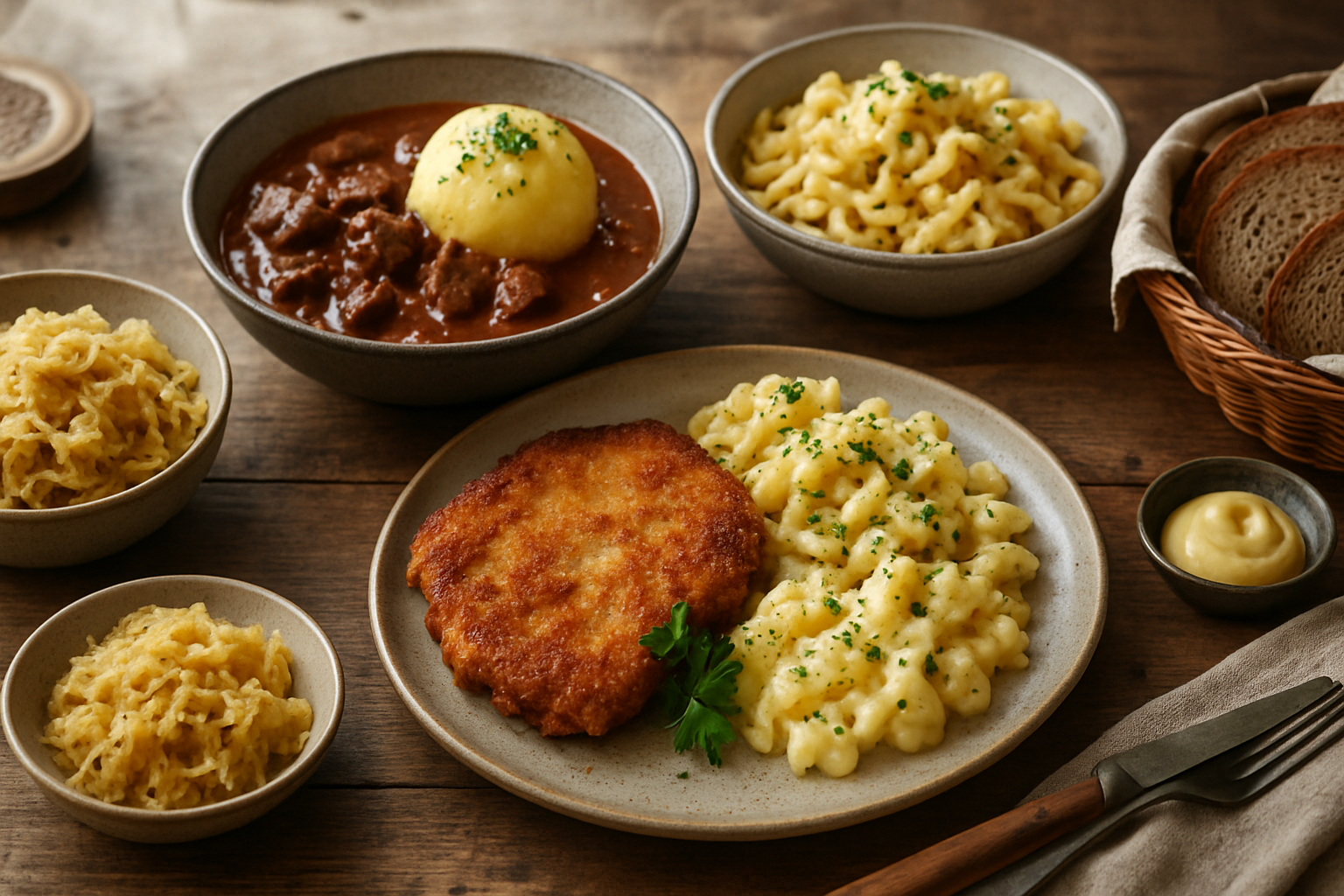 Classic German Dishes: Traditional Recipes
Discover Classic German Dishes that bring authentic flavours and timeless recipes to your kitchen. Dive into hearty meals and traditional favourites you’ll love.