
Alltagsküche
Kochen, wie es zuhause schmeckt

Beef Goulash with Dark Ale: Rich, Tender and Hearty
🛒 Ingredients
- ✓
600 g beef goulash meat or stewing beef
- ✓
3 carrots
- ✓
1 leek
- ✓
2 onions
- ✓
2 garlic cloves
- ✓
200 g celery
- ✓
600 g potatoes
- ✓
30 g butter or lard
- ✓
Salt and pepper to taste
- ✓
1 tsp ground caraway seeds
- ✓
400 ml dark ale, preferably malty and not too bitter
- ✓
3 sprigs fresh thyme
- ✓
2 tbsp red wine vinegar
- ✓
A pinch of sugar
📊 Nutritional Information
This recipe is also available in German.
Explore these articles
📌 Overview
Beef goulash with dark ale is a hearty slow-cooked stew made with beef, carrots, leek, onions, garlic, potatoes, celery, thyme and caraway. The dark ale adds malty depth, gentle bitterness and a rich sauce that suits cold autumn and winter meals. The key is to brown the beef properly and then simmer it gently long enough before adding the potatoes. If the potatoes go in too early, they can break down while the beef is still tough. A little red wine vinegar and a pinch of sugar at the end balance the malty weight of the ale and make the goulash taste rounder.
You may also find it useful to look at recipes Authentic Belgian Beef Goulash Recipe with Crispy Chips for Cozy Evenings, Light Beef Goulash with Colourful Vegetables, and Creamy Brussels Sprout Soup with Turkey Goulash, in addition to this one.
👨🍳 How to make Beef Goulash with Dark Ale
- 1
Pat the beef dry with kitchen paper. If the meat is wet, it will not brown well and may steam in its own juices.
- 2
Peel the carrots and slice them into rounds. Wash the leek thoroughly and slice it into fine rings. Peel and finely chop the onions and garlic.
- 3
Peel the celery and cut it into thin slices or small cubes. Peel the potatoes and cut them into bite-sized chunks, but keep them aside for now.
- 4
Heat the butter or lard in a heavy casserole. Brown the beef in batches over high heat until well coloured on all sides. Do not overcrowd the pan, or too much liquid will be released.
- 5
Return all the beef to the casserole. Add the onions, garlic, carrots, leek and about half the celery, then cook for 3 to 4 minutes so the vegetables begin to soften and pick up flavour.
- 6
Season with salt, pepper and ground caraway. Pour in the dark ale and scrape up the browned bits from the bottom of the pan. The meat should be just covered; add only a little water or stock later if needed.
- 7
Cover with a lid and simmer gently over low to medium heat for 75 to 90 minutes. The goulash should bubble quietly, not boil hard.
- 8
Meanwhile, strip the thyme leaves from the sprigs and chop them finely.
- 9
When the beef is already noticeably more tender, add the potato chunks and thyme. Simmer for another 25 to 30 minutes, until the potatoes are cooked and the beef is soft.
- 10
While the goulash finishes, fry the remaining celery in a little butter or lard until golden. This gives it more roasted flavour and keeps it slightly firmer as a final addition.
- 11
Season the goulash with red wine vinegar and a pinch of sugar. The vinegar should freshen the sauce without making it sharply sour.
- 12
If the sauce is too thin, simmer the goulash uncovered for a few minutes. If it tastes too strong or bitter, balance it with a little water, stock or an extra small pinch of sugar.
- 13
Stir in the fried celery just before serving or spoon it over the top. Serve the goulash hot.
🧠 Why It Works
Beef goulash with dark ale works when browning, simmering time and liquid control are handled properly. Browning the beef first creates the flavour base and prevents the stew from tasting flat or boiled. Dark ale contributes malty sweetness, gentle bitterness and depth, but it should not be reduced too aggressively or the sauce can turn bitter. For that reason, the goulash is simmered gently and reduced uncovered only at the end if the sauce is too thin. Caraway is a classic seasoning for hearty Central European stews and helps round out the ale. Potatoes are added later so they do not fall apart before the beef is tender. Red wine vinegar and sugar finish the sauce by balancing fat, malt, meat juices and vegetable sweetness.
🛠️ Troubleshooting
Why is my beef goulash still tough?
Stewing beef often needs more than 70 minutes, depending on the cut and size of the pieces. Keep simmering gently until the meat can be pulled apart with a fork. Low, steady heat is more important than rushing the cooking.
Why does my dark ale goulash taste bitter?
Dark ale can become bitter if it is very hoppy or reduced too much. Use a malty dark ale rather than a strongly bitter beer, avoid over-reducing the sauce and balance at the end with a little sugar, stock or water.
How do I stop the goulash from being too watery?
Add only enough ale to just cover the meat. If the sauce is still thin at the end, simmer uncovered for a few minutes. The potatoes will also help thicken the stew slightly.
Why are the potatoes falling apart?
The potatoes were probably added too early or cut too small. Add them only when the beef is already almost tender, and cut them into bite-sized but not tiny pieces.
What if the goulash tastes too sour?
Red wine vinegar should be added only at the end and in a controlled amount. If the sauce tastes too sour, add a small pinch of sugar or a little more ale, water or stock.
Can I make beef goulash with dark ale ahead of time?
Yes, goulash often tastes better the next day. Cool it quickly, store it covered in the fridge and reheat gently over low heat.
💡 Tips and Variations
- •
Choose a malty dark ale, not a very bitter IPA or heavily hopped beer. The ale should taste deep and rounded rather than sharply bitter.
- •
A heavy cast-iron casserole or thick-bottomed pot gives even heat and lowers the risk of catching on the bottom.
- •
Brown the beef in batches. If the pan is overcrowded, the meat releases too much juice and steams before it browns.
- •
For a stronger sauce, reduce the goulash uncovered at the end. Stir regularly because potatoes and meat can catch on the bottom.
- •
If you want more body, lightly crush a few pieces of potato into the sauce at the end. This thickens the goulash without adding flour or starch.
- •
Celery can be replaced with parsnips. Parsnips bring a little more sweetness and work well with the malty ale sauce.
- •
For a vegetarian version, use chestnut mushrooms, king oyster mushrooms and lentils. The ale can stay if you want to keep the malty flavour.
- •
For a vegan version, use mushrooms, lentils, plant-based butter or oil and check whether the beer is vegan-friendly.
- •
A small splash of soy sauce can increase umami, but use it sparingly so the goulash does not become too salty.
📦 Storage
Store leftover beef goulash with dark ale covered in the fridge and eat within 2 to 3 days. Do not leave it sitting at room temperature for long while cooling. Reheat gently over low heat and add a little water, stock or ale if the sauce has thickened too much. Goulash can be frozen, but potatoes may become softer and slightly grainy after thawing. For the best texture, freeze the meat and sauce and add freshly cooked potatoes later.
🍷 Pairing
- •
A malty dark ale is the natural pairing because it echoes the flavour of the sauce without adding too much bitterness.
- •
A German Spätburgunder from the Pfalz or Ahr works well because its acidity and gentle tannins balance the beef.
- •
An Austrian Zweigelt brings fruit and freshness to the rich, malty sauce.
- •
A Rioja Crianza suits the roasted flavours, thyme and hearty meat sauce.
- •
For a non-alcoholic pairing, choose apple spritzer, lightly sweet malt drink or sparkling water with lemon.
- •
Good side dishes include rustic bread, spaetzle, dumplings, green salad or steamed winter vegetables.
❓ F.A.Q.
How long should beef goulash with dark ale simmer?
For tender beef, allow about 100 to 120 minutes in total. Simmer the beef first for 75 to 90 minutes, then add the potatoes and thyme for another 25 to 30 minutes.
What dark ale is best for beef goulash?
A malty, not overly bitter dark ale is best. Very hoppy or strongly bitter beers can make the sauce taste harsh, especially after long simmering.
Can I make beef goulash with dark ale the day before?
Yes, and it is often better that way. The flavours deepen overnight. Reheat slowly and add a little liquid if the sauce has thickened too much.
Can I replace the dark ale?
Yes, you can use strong beef stock or vegetable stock instead. The goulash will be milder and less malty, but still hearty.
What should I serve with beef goulash with dark ale?
If potatoes are already cooked in the goulash, bread or a green salad may be enough. Without potatoes, serve it with spaetzle, dumplings, mashed potatoes, boiled potatoes or rustic bread.
How can I make dark ale goulash vegetarian or vegan?
Replace the beef with mushrooms, lentils or smoked tofu and use plant-based fat. For a vegan version, also check that the beer is vegan, as some beers are clarified with animal-derived processing aids.
🏛️ History and Tradition
Beef goulash traces its origins to Central European peasant cuisine, evolving from Hungarian stews into a beloved German comfort food. Historically, it was a practical dish combining affordable cuts of meat with local vegetables and spices, simmered slowly to tender perfection. Celebrated in Bavarian and Swabian households especially during colder months, it embodies the region’s emphasis on hearty, flavourful meals that nourish body and soul. This recipe preserves that heritage, reinforcing Alltagsküche’s commitment to authentic German culinary traditions and seasonal home cooking.
- •
Beef goulash with dark ale is a rich autumn and winter stew built on browned beef, malty sauce and slow cooking.
- •
When the beef simmers gently for long enough, the potatoes are added later and vinegar and sugar are balanced carefully at the end, the result is tender, rounded and deeply savoury.
- •
This recipe is ideal for making ahead, reheating and serving with bread, salad, spaetzle or classic potato sides.
Rate this recipe
Click or tap the stars to rate
Explore these guides
-
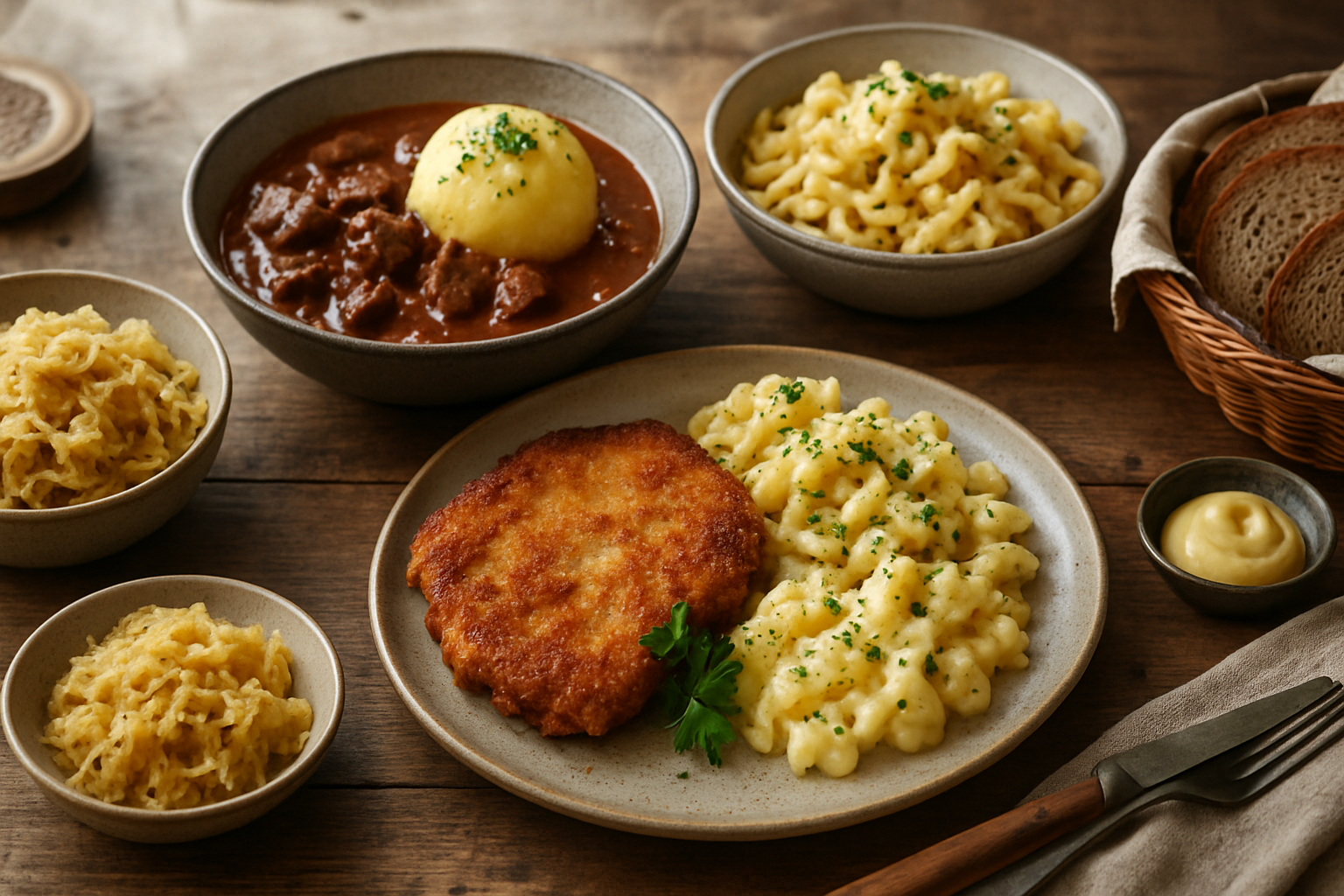 Classic German Dishes: Traditional Recipes
Discover Classic German Dishes that bring authentic flavours and timeless recipes to your kitchen. Dive into hearty meals and traditional favourites you’ll love.