
Alltagsküche
Kochen, wie es zuhause schmeckt

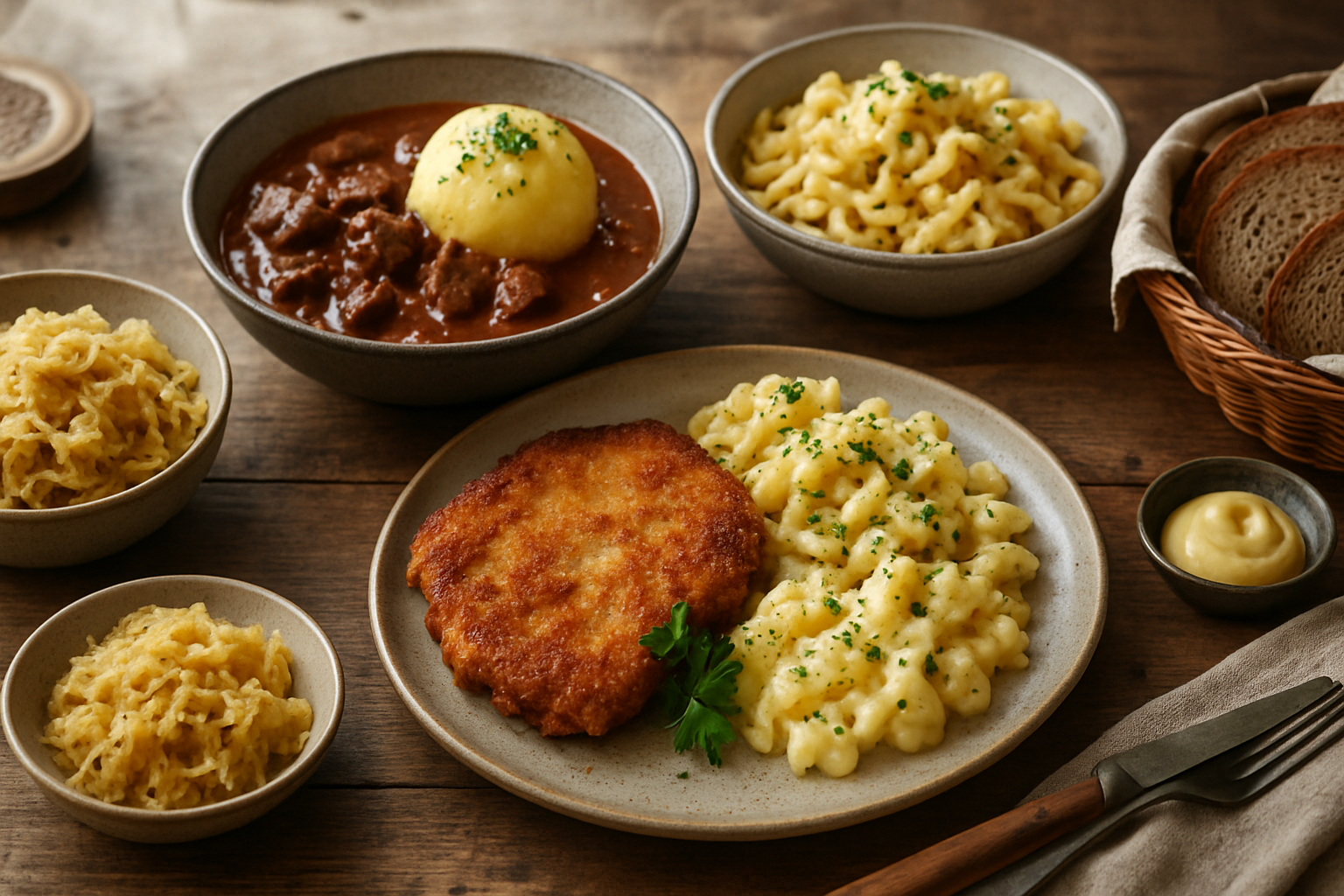
Hearty Bavarian Beef Stew with Braised Cabbage & Dumplings for Oktoberfest
Discover the authentic Bavarian beef stew recipe with braised cabbage and bread dumplings. Perfect for Oktoberfest or cozy everyday meals with rich, slow-cooked flavours.
📖 What is it
Discover the authentic Bavarian beef stew recipe with braised cabbage and bread dumplings. Perfect for Oktoberfest or cozy everyday meals with rich, slow-cooked flavours.
🛒 Ingredients
- ✓ 100 ml red wine vinegar
- ✓ 200 ml red wine
- ✓ 1 tbsp mustard seeds
- ✓ 6 juniper berries
- ✓ 2 bay leaves
- ✓ 4 cloves
- ✓ 1.2 kg beef braising joint
- ✓ 2 carrots
- ✓ ½ celery stalk
- ✓ ½ leek
- ✓ 2 onions
- ✓ 2 tbsp clarified butter
- ✓ 500 ml beef stock
- ✓ 1 tbsp lard
- ✓ 1 tsp sugar
- ✓ 2 tbsp plain flour
- ✓ 1 small white cabbage (about 800 g)
- ✓ 30 g butter
- ✓ 1 tsp caraway seeds
- ✓ 100 ml white wine
- ✓ Salt and freshly ground black pepper, to taste
- ✓ 6 bread dumplings (ready-made or homemade)
📊 Nutritional Information
This recipe is also available in German .
Explore these articles
Bavarian beef stew is a classic German main course, traditionally marinated in red wine and aromatic spices, then slow-cooked to tender perfection. Rooted in Bavaria’s hearty culinary heritage, this dish combines rich beef, braised cabbage, and soft bread dumplings, making it a beloved comfort food especially popular during colder months and festive occasions like Oktoberfest. Its deep, warming flavours reflect the region’s rustic cooking style and cultural authenticity.
👨🍳 Preparation
- 1
To make the marinade, bring the red wine vinegar, red wine, mustard seeds, juniper berries, bay leaves and cloves to the boil in a saucepan. Set aside to cool.
- 2
Place the beef braising joint in a large bowl and pour over the cooled marinade. Cover and refrigerate for 2 to 3 days, turning the meat occasionally.
- 3
Dice the carrots, celery and leek into small pieces. Finely chop one onion.
- 4
Heat the clarified butter in a heavy-based casserole. Remove the beef from the marinade, pat dry, and brown it all over. Take the meat out and set aside. Keep the marinade.
- 5
Sauté the diced vegetables in the beef fat, then deglaze with about 125 ml of the marinade. Add the beef stock and return the meat to the pot. Cover and simmer gently for around 90 minutes.
- 6
Once cooked, wrap the meat in foil and keep warm in the oven at 50°C.
- 7
For the sauce, heat the lard in a small pan. Add the sugar and caramelise until golden brown. Reduce the heat and stir in the flour to form a smooth roux.
- 8
Gradually add about 250 ml of the braising liquid, stirring constantly, and bring to the boil. Season with a little marinade, sugar, salt and pepper to taste.
- 9
Slice the meat and keep it warm in the sauce.
- 10
For the braised cabbage, finely shred the white cabbage. Dice the second onion.
- 11
Melt the butter in a pan and gently soften the onions until translucent. Add the sugar and caraway seeds and allow the onions to caramelise lightly.
- 12
Toss in the cabbage and briefly fry, then deglaze with the white wine. Cover and simmer over medium heat for 5 to 10 minutes until tender. Season with salt and pepper.
- 13
Soak the bread dumplings in cold water as per packet instructions, bring to the boil and then simmer gently for 10 minutes.
- 14
Serve the beef stew alongside the braised cabbage and bread dumplings.
🧠 Why It Works
This Bavarian beef stew balances robust red wine acidity with the sweetness of caramelised vegetables and the aromatic punch of juniper berries, mustard seeds, and cloves. The slow braising tenderises the beef, allowing collagen to break down and enrich the sauce with gelatinous texture. The clarified butter and lard provide a silky mouthfeel, while the roux thickens the sauce to a luscious consistency. Braised cabbage with caraway seeds adds a slightly tangy, earthy counterpoint, and the bread dumplings soak up the sauce, completing the dish with traditional Bavarian harmony. This interplay of fat, acid, salt, and spice creates a deeply satisfying and regionally authentic gastronomic experience.
🛠️ Troubleshooting
Why is my beef stew tough after cooking?
Tough beef usually results from insufficient marinating or undercooking. Ensure the beef marinates for at least 2 days and braise gently for around 90 minutes until tender.
How do I fix a stew sauce that is too thin?
Create a roux by caramelising sugar in lard, then stirring in flour and gradually adding braising liquid to thicken. Simmer until the sauce reaches a rich, velvety consistency.
My braised cabbage tastes bland; how can I improve it?
Caramelise the onions with sugar and caraway seeds before adding cabbage, and deglaze with white wine to enhance flavour. Season well with salt and pepper to balance sweetness.
Can I freeze leftover Bavarian beef stew?
While the stew can be frozen, bread dumplings and braised cabbage do not freeze well. Freeze the stew separately in airtight containers and thaw gently before reheating.
How should I reheat the stew without drying out the meat?
Reheat the stew gently over low heat, stirring occasionally. Keep the meat wrapped or submerged in sauce to retain moisture and prevent drying.
💡 Tips and Variations
- •
For a richer marinade, try a robust Bordeaux or a German Spätburgunder, and add a splash of cream to the sauce for extra silkiness.
- •
A heavy cast-iron casserole ensures even heat distribution and results in beautifully tender meat.
- •
The beef is the star of this dish, its flavour deepened by the slow braising process.
- •
For a vegetarian twist, swap the beef for firm mushrooms like porcini or chestnut mushrooms, and use vegetable stock instead of beef stock.
- •
Alternatively, replace the beef with lentils or beans for a protein-packed meat-free version.
- •
A dash of soy sauce in the sauce enhances the umami notes and adds depth of flavour.
- •
For a quick vegan adaptation, use plant-based butter, vegetable stock, and substitute the bread dumplings with vegan potato or tofu dumplings.
- •
The secret to this dish lies in the long marinating and slow cooking, which makes the meat wonderfully tender and full of flavour.
📦 Storage
Leftovers of the beef stew can be stored covered in the fridge for up to 2 days. Reheat the sauce gently and warm the meat carefully to keep it moist. The braised cabbage and dumplings can also be refrigerated and reheated as needed.
🍷 Pairing
This hearty Bavarian beef stew finds a perfect companion in a Pfalz Spätburgunder, whose bright acidity and subtle tannins cut through the richness while complementing the dish’s aromatic spices. A Rheinhessen Lieblichter offers a slightly sweeter profile with soft fruit notes and balanced acidity, enhancing the caramelised nuances of the braised cabbage. For an international touch, an Italian Barbera’s vibrant acidity and medium body harmonise beautifully with the stew’s robust flavours, providing a refreshing contrast that elevates the entire meal.
❓ F.A.Q.
How long should I marinate the beef for the best flavour?
For optimal flavour and tenderness, marinate the beef in the red wine and spice mixture for 2 to 3 days in the refrigerator, turning the meat occasionally to ensure even absorption.
Can I prepare the Bavarian beef stew in advance?
Yes, the stew benefits from resting overnight as the flavours deepen. Store it covered in the fridge for up to 2 days and gently reheat to preserve moisture and texture.
What are traditional side dishes to serve with Bavarian beef stew?
Classic accompaniments include bread dumplings (Semmelknödel) and braised white cabbage with caraway seeds, which complement the rich stew and balance its hearty flavours.
Is there a vegetarian alternative to this Bavarian beef stew?
You can substitute the beef with firm mushrooms like porcini or chestnut mushrooms and use vegetable stock instead of beef stock. Lentils or beans also make excellent protein-rich meat-free options.
What wine pairs best with Bavarian beef stew?
German red wines such as Spätburgunder from Pfalz or Lieblichter from Rheinhessen enhance the stew’s rich, meaty flavours, while Italian Barbera or French Bordeaux offer complementary acidity and body.
🏛️ History and Tradition
Bavarian beef stew, or 'Bayerischer Rinderschmortopf,' is a traditional dish with roots dating back centuries in southern Germany, particularly Bavaria. Historically, it was a staple for rural families during colder seasons, combining locally available beef, cabbage, and bread dumplings to create a nourishing, warming meal. The use of juniper berries and red wine reflects regional flavour preferences and preservation techniques. Often enjoyed during festive occasions like Oktoberfest and family gatherings, this stew embodies Bavarian culinary identity and heritage, reinforcing its status as a beloved classic in German cuisine.
This Bavarian beef stew with braised cabbage and dumplings is a true taste of hearty, home-cooked comfort. With a little patience and love, you’ll be rewarded with a dish that brings warmth and joy to any table. Do give it a go at home, and don’t forget to share it with your nearest and dearest – it’s the kind of meal that’s made for gathering around and savouring together.
Rate this recipe
Click or tap the stars to rate
Explore these guides
-
 Classic German Dishes: Traditional Recipes
Discover Classic German Dishes that bring authentic flavours and timeless recipes to your kitchen. Dive into hearty meals and traditional favourites you’ll love.