
Alltagsküche
Kochen, wie es zuhause schmeckt

Festive Gugelhupf Recipe with Rum-Soaked Raisins for Christmas
Discover a festive Gugelhupf recipe with rum-soaked raisins and gingerbread spice. Perfect for Christmas, this traditional German cake blends warmth and sweetness.
📖 What is it
Discover a festive Gugelhupf recipe with rum-soaked raisins and gingerbread spice. Perfect for Christmas, this traditional German cake blends warmth and sweetness.
🛒 Ingredients
- ✓ 150 g raisins
- ✓ 50 ml rum (54% ABV)
- ✓ 250 g butter, softened
- ✓ 200 g caster sugar
- ✓ 4 eggs
- ✓ 300 g plain flour (Type 405)
- ✓ 1 tsp baking powder
- ✓ 2 tsp gingerbread spice
- ✓ a pinch of salt
- ✓ 100 g chopped almonds
- ✓ zest of a unwaxed lemon
- ✓ a little fresh breadcrumbs for greasing the tin
📊 Nutritional Information
This recipe is also available in German .
Explore these articles
Festive Gugelhupf is a classic German cake, especially popular in Bavaria and Baden-Württemberg during Christmas. This version features rum-soaked raisins and warming gingerbread spices, creating a light, airy crumb with authentic winter flavours. Its rich aroma and traditional ingredients make it a beloved treat for holiday celebrations across Germany.
👨🍳 Preparation
- 1
Place the raisins in a bowl and cover with boiling water. Leave to soak for about 5 minutes, then drain.
- 2
Pour the rum over the raisins, stir well, and leave to infuse for at least 20 minutes so the fruit soaks up all the flavour.
- 3
Preheat your oven to 180°C (fan 160°C, gas mark 4).
- 4
Cream the softened butter and sugar together in a large bowl until light and fluffy.
- 5
Beat in the eggs one at a time, mixing well after each addition until smooth.
- 6
In a separate bowl, sift together the flour, baking powder, gingerbread spice, and salt. Gradually fold this into the butter mixture.
- 7
Gently fold in the chopped almonds, lemon zest, and the soaked raisins along with any remaining rum.
- 8
Thoroughly grease a Gugelhupf tin and dust it with fresh breadcrumbs, tipping out any excess.
- 9
Spoon the batter into the tin and smooth the surface.
- 10
Bake on the middle shelf for about 55 to 60 minutes. Test with a skewer — it should come out clean when the cake is done.
- 11
Remove from the oven, carefully loosen the edges with a knife, and leave to cool in the tin for a short while.
- 12
Turn the cake out onto a wire rack and allow it to cool completely before slicing.
🧠 Why It Works
This Gugelhupf balances moistness and texture through the rum-soaked raisins, which infuse fruity depth and keep the crumb tender. The butter and sugar creaming creates a light, fluffy base, while the gingerbread spice and lemon zest introduce aromatic warmth and brightness. Chopped almonds add a subtle crunch, enhancing mouthfeel and complementing the spice blend. The baking powder ensures a gentle rise, preserving the cake’s airy structure. Together, these elements reflect the German festive palate, harmonising fat, acid, and spice for a memorable seasonal dessert.
🛠️ Troubleshooting
Why is my Gugelhupf dense instead of light and airy?
Overmixing the batter after adding flour can develop gluten, leading to density. Fold ingredients gently and avoid overbeating eggs to maintain a light crumb.
What if the cake is too dry after baking?
Ensure raisins are well soaked in rum and do not overbake. Wrapping the cooled cake airtight helps retain moisture. Serving with a light glaze or dusting can also add moisture.
How do I fix a Gugelhupf that sticks to the tin?
Use enough butter and fresh breadcrumbs to grease the tin properly. Let the cake cool slightly before turning out to prevent breakage and sticking.
Can I freeze the Gugelhupf for later use?
Yes, wrap the cooled cake tightly in cling film and freeze for up to one month. Thaw at room temperature wrapped to retain moisture before serving.
How to reheat Gugelhupf without drying it out?
Warm slices gently in a low oven (around 120°C) wrapped in foil for 10–15 minutes or briefly in a microwave covered with a damp paper towel to preserve softness.
💡 Tips and Variations
- •
For a richer twist, swap some of the butter for marzipan paste to boost those festive flavours.
- •
Try using a silicone Gugelhupf mould — it makes turning out the cake much easier and clean-up a doddle.
- •
The rum and spice are the stars here, giving the cake its unmistakable Christmas character.
- •
This recipe is naturally vegetarian. For a vegan version, replace the eggs with apple sauce or soy yoghurt and use vegan butter.
- •
If you prefer, swap the raisins for dried cranberries or chopped dates for a different fruity note.
- •
A splash of vanilla extract adds a lovely depth and rounds out the spices beautifully.
- •
To make it gluten-free, use a gluten-free flour blend and ensure your baking powder is gluten-free too.
- •
The secret to this cake’s charm lies in soaking the raisins well and balancing the spice blend just right.
📦 Storage
Keep the Gugelhupf wrapped airtight at room temperature — it will stay fresh for up to 3 days. For longer storage, wrap it in cling film and pop it in the fridge, bringing it back to room temperature before serving.
🍷 Pairing
A semi-dry Riesling from the Mosel region complements this festive Gugelhupf with its crisp acidity and mineral undertones, balancing the cake’s sweetness and warming spices. Alternatively, a Spätburgunder from Baden offers fruity red berry notes and soft tannins that harmonise with the almond and gingerbread flavours. For an international touch, a lightly sparkling Moscato d’Asti from Italy brings gentle sweetness and floral aromatics, enhancing the cake’s festive character while maintaining a refined palate balance.
❓ F.A.Q.
Can I prepare the Gugelhupf in advance for Christmas?
Yes, the Gugelhupf can be baked up to two days before serving. Store it wrapped airtight at room temperature to maintain freshness and bring it to room temperature before serving for optimal flavour.
How do I ensure the raisins absorb enough rum flavour?
Soak the raisins first in boiling water to plump them, then drain and cover with rum for at least 20 minutes. This allows the fruit to fully absorb the spirit, enhancing the cake’s depth.
What can I substitute for gingerbread spice if unavailable?
A mix of ground cinnamon, cloves, nutmeg, and allspice replicates gingerbread spice well. Adjust quantities to taste, starting with 1 teaspoon cinnamon and smaller amounts of the others.
Is it possible to make this Gugelhupf gluten-free?
Absolutely. Use a gluten-free flour blend suitable for baking and ensure your baking powder is gluten-free. This maintains the cake’s texture while accommodating dietary needs.
How do I prevent the Gugelhupf from sticking to the tin?
Grease the Gugelhupf tin thoroughly with butter and dust it with fresh breadcrumbs, then tap out excess. This traditional method creates a barrier that helps the cake release cleanly after baking.
Can I make a vegan version of this festive Gugelhupf?
Yes, replace eggs with apple sauce or soy yoghurt and use vegan butter. Adjust baking times slightly and check doneness with a skewer to ensure the cake is fully baked.
🏛️ History and Tradition
Gugelhupf is a traditional yeasted cake with roots in Central Europe, especially popular in southern Germany and Austria since the 18th century. Historically baked in distinctive ring-shaped moulds, it became a festive staple during Christmas and other celebrations. The addition of rum-soaked raisins and gingerbread spices reflects the German custom of infusing holiday cakes with warming flavours and spirits. This cake embodies regional baking heritage, symbolising conviviality and seasonal festivity in Bavarian and Swabian households, reinforcing its place in German culinary identity.
With its perfect harmony of rum-soaked raisins, warming gingerbread spices, and crunchy almonds, this Gugelhupf is a true festive classic. It’s straightforward to make and utterly delicious — ideal for sharing with loved ones over cosy winter afternoons. Give it a go this season, and watch it become a much-loved staple at your Christmas gatherings.
Rate this recipe
Click or tap the stars to rate
Explore these guides
-
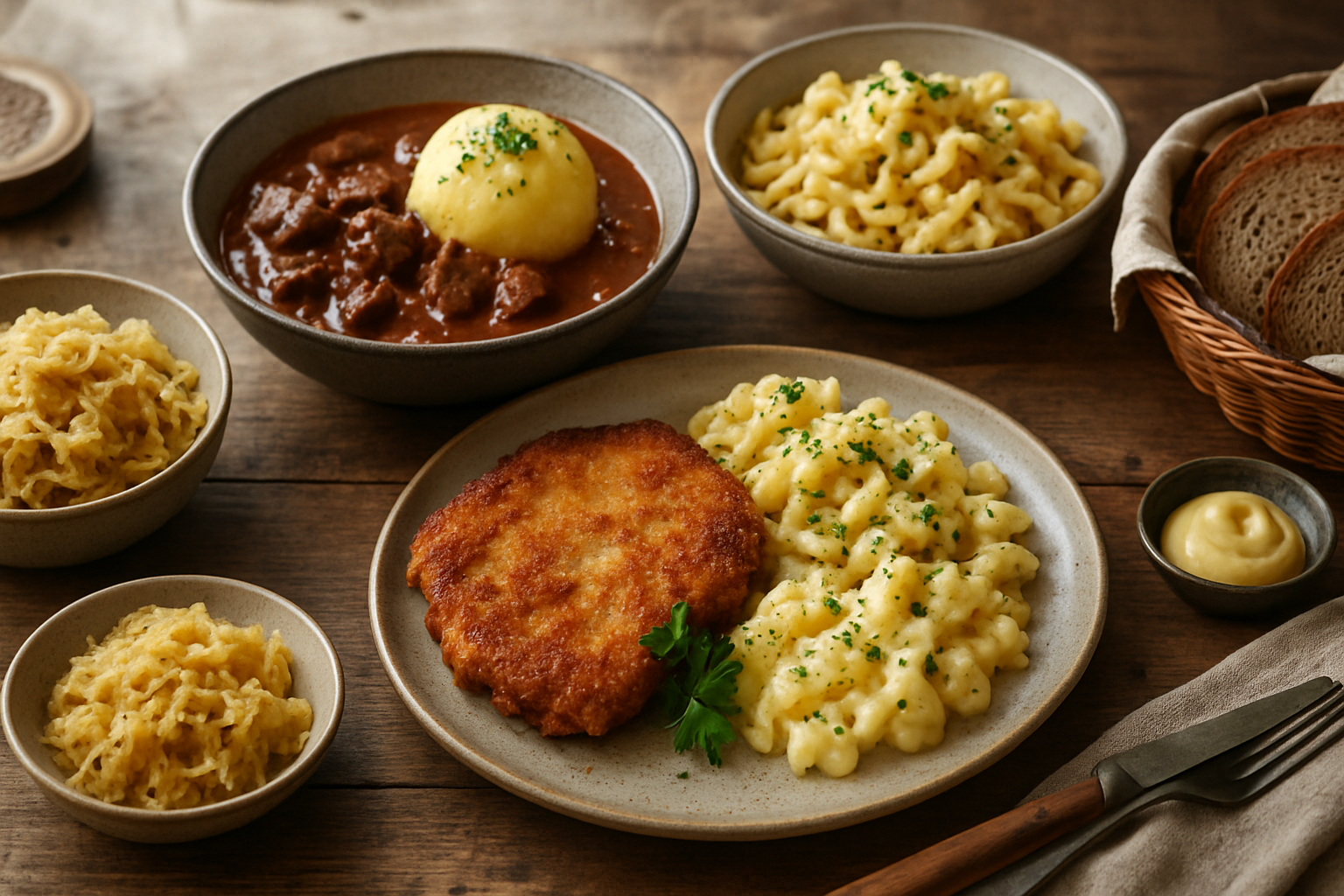 Classic German Dishes: Traditional Recipes
Discover Classic German Dishes that bring authentic flavours and timeless recipes to your kitchen. Dive into hearty meals and traditional favourites you’ll love.