
Alltagsküche
Kochen, wie es zuhause schmeckt

Creamy Potatoes in Béchamel with Fresh Peas – Perfect Spring Side Dish
Discover how to make creamy potatoes in béchamel with fresh peas, a classic German-inspired vegetarian side dish ideal for spring and everyday meals.
📖 What is it
Discover how to make creamy potatoes in béchamel with fresh peas, a classic German-inspired vegetarian side dish ideal for spring and everyday meals.
🛒 Ingredients
- ✓ 600 g new potatoes
- ✓ 200 g fresh peas (shelled)
- ✓ 1 medium onion
- ✓ 40 g butter
- ✓ 30 g plain flour
- ✓ 400 ml milk
- ✓ 150 ml vegetable stock
- ✓ 100 ml double cream
- ✓ Salt
- ✓ White pepper
- ✓ 1 tbsp fresh parsley, finely chopped
- ✓ 1 tbsp fresh chives, finely sliced
- ✓ 1 tsp dried chervil
- ✓ 1 tsp fresh dill, finely chopped
📊 Nutritional Information
This recipe is also available in German .
Explore these articles
Creamy potatoes in béchamel with fresh peas is a comforting German-inspired side dish combining tender new potatoes and sweet peas in a smooth, buttery white sauce. Popular in Bavarian and Swabian home cooking, this recipe highlights seasonal spring vegetables and delicate herbs, making it a versatile accompaniment or a satisfying vegetarian main.
👨🍳 Preparation
- 1
Thoroughly wash the potatoes and boil them in salted water for about 15 minutes until tender. Drain, let them cool briefly, then peel and slice into roughly 1 cm thick rounds.
- 2
While the potatoes cook, shell the peas. Place them in a small pan with just enough water to cover, bring to the boil, then simmer gently for 5 to 8 minutes until just tender. Drain well.
- 3
For the béchamel, peel and finely dice the onion. Melt the butter in a saucepan over medium heat, then gently sweat the onion until translucent.
- 4
Sprinkle the flour over the onions and stir continuously, cooking gently without browning.
- 5
Gradually pour in the cold milk, whisking briskly to prevent lumps. Reduce the heat to low.
- 6
Slowly stir in the vegetable stock and cream. Season with salt and white pepper, then let the sauce simmer gently, stirring occasionally, until it thickens to a creamy consistency.
- 7
Carefully fold the potato slices and peas into the béchamel, warming through gently so the flavours meld.
- 8
Finally, stir in the chopped herbs – parsley, chives, dill and dried chervil – and serve immediately.
🧠 Why It Works
This dish balances the natural sweetness of young potatoes and fresh peas with the rich, velvety béchamel sauce, which is carefully thickened with butter and flour to create a smooth texture. The gentle sweating of onions adds subtle aromatic depth without overpowering the delicate flavours. The interplay of fat from butter and cream with the mild acidity of vegetable stock ensures a harmonious mouthfeel, while fresh herbs like parsley, chives, dill, and dried chervil provide a fragrant lift that enhances the regional authenticity and freshness typical of German spring cuisine.
🛠️ Troubleshooting
Why is my béchamel sauce grainy or lumpy?
Graininess or lumps often result from adding milk too quickly or insufficient whisking. Always add cold milk gradually while whisking continuously over low heat to ensure a smooth sauce.
How can I fix a béchamel sauce that is too thick?
If the sauce becomes too thick, gently whisk in a little more warm milk or vegetable stock until the desired creamy consistency is reached.
What if the sauce tastes bland or lacks depth?
Enhance flavour by seasoning with salt and white pepper carefully. Adding a small piece of dried porcini mushroom to the stock before use can impart subtle umami richness.
How do I avoid the sauce splitting when reheating?
Reheat slowly over low heat, stirring frequently. Avoid boiling as high heat can cause the fat and liquid to separate, resulting in a split sauce.
💡 Tips and Variations
- •
For a richer twist, swap the cream for crème fraîche and add freshly grated Parmesan to give the sauce a wonderfully creamy, savoury depth.
- •
Pro tip: Use a whisk when making the béchamel to keep it smooth and lump-free, achieving that perfect velvety texture.
- •
The star of this dish is the creamy béchamel, with its gentle buttery and milky flavour that ties everything together.
- •
To make it vegan, replace the butter with plant-based margarine, use oat or soy milk instead of dairy, and swap the cream for a plant-based alternative.
- •
For a different texture and flavour, try using cooked parsnip or celeriac slices in place of the potatoes.
- •
A little secret: simmer a small piece of dried porcini mushroom in the stock and remove before adding to the sauce for a subtle umami boost.
- •
For a quick vegan and gluten-free version, use gluten-free flour and plant-based milk alternatives.
- •
The key to success is gentle heat and patient stirring of the béchamel to achieve that perfect creamy finish.
📦 Storage
Leftovers can be stored covered in the fridge for up to two days. Reheat gently over low heat to warm through without the sauce splitting.
🍷 Pairing
This creamy potato and pea dish finds an elegant companion in a dry Mosel Riesling, whose vibrant acidity and mineral undertones cut through the béchamel’s richness while echoing the dish’s fresh herbal notes. An Austrian Grüner Veltliner offers a crisp, peppery profile with bright citrus and stone fruit aromas that complement the peas and herbs beautifully. For an international touch, a light-bodied Burgundy Chardonnay with subtle oak and balanced acidity enhances the buttery texture and adds complexity without overwhelming the delicate flavours, creating a refined harmony with this German-inspired classic.
❓ F.A.Q.
Can I use frozen peas instead of fresh peas in this recipe?
Yes, frozen peas can be used as a convenient alternative. Add them towards the end of cooking to retain their bright colour and sweet flavour, ensuring they don’t overcook and become mushy.
How do I prevent lumps when making béchamel sauce?
To avoid lumps, whisk continuously while gradually adding cold milk to the roux (butter and flour mixture). Using a whisk and adding liquid slowly at low heat ensures a smooth, creamy sauce.
Is this dish suitable for a vegan diet?
Absolutely. Replace butter with plant-based margarine, use oat or soy milk instead of dairy milk, and substitute double cream with a plant-based cream alternative to create a vegan-friendly version.
Can I prepare this dish in advance and reheat it?
Yes, store leftovers covered in the refrigerator for up to two days. Reheat gently over low heat, stirring occasionally to prevent the béchamel from splitting and to maintain its creamy texture.
What potatoes work best for this recipe?
New potatoes or waxy varieties are ideal because they hold their shape well after boiling and slicing, providing a pleasant texture that complements the creamy sauce.
🏛️ History and Tradition
Creamy potatoes in béchamel sauce have roots in traditional German home cooking, particularly in regions like Bavaria and Swabia where dairy and fresh spring vegetables are staples. Historically, béchamel—a French-origin white sauce—was embraced in German cuisine for its versatility and ability to elevate simple ingredients. This dish often appears during spring when new potatoes and fresh peas are at their peak, reflecting the season’s bounty. Its comforting, creamy texture and use of fresh herbs underscore the German culinary emphasis on regional, fresh produce and balanced flavours, reinforcing its place as a beloved everyday and festive side dish.
Potatoes in béchamel with peas is a wonderfully simple yet satisfying dish, where humble ingredients come together with a touch of care to create something truly comforting. It’s perfect for sharing with loved ones on a cosy evening, and I do hope you’ll give it a go in your own kitchen – it’s one of those recipes that feels like a warm hug on a plate.
Rate this recipe
Click or tap the stars to rate
Explore these guides
-
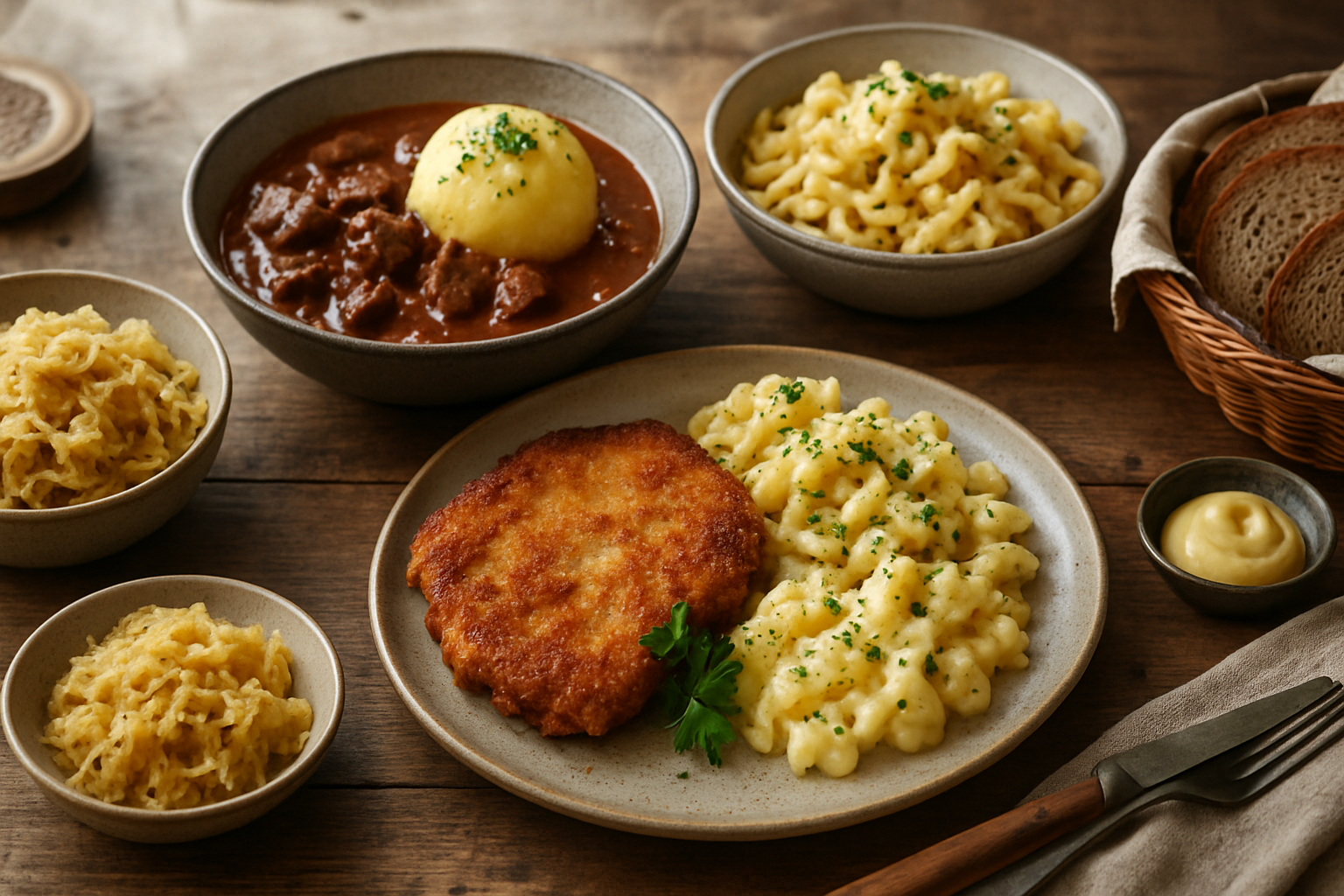 Classic German Dishes: Traditional Recipes
Discover Classic German Dishes that bring authentic flavours and timeless recipes to your kitchen. Dive into hearty meals and traditional favourites you’ll love.