
Alltagsküche
Kochen, wie es zuhause schmeckt

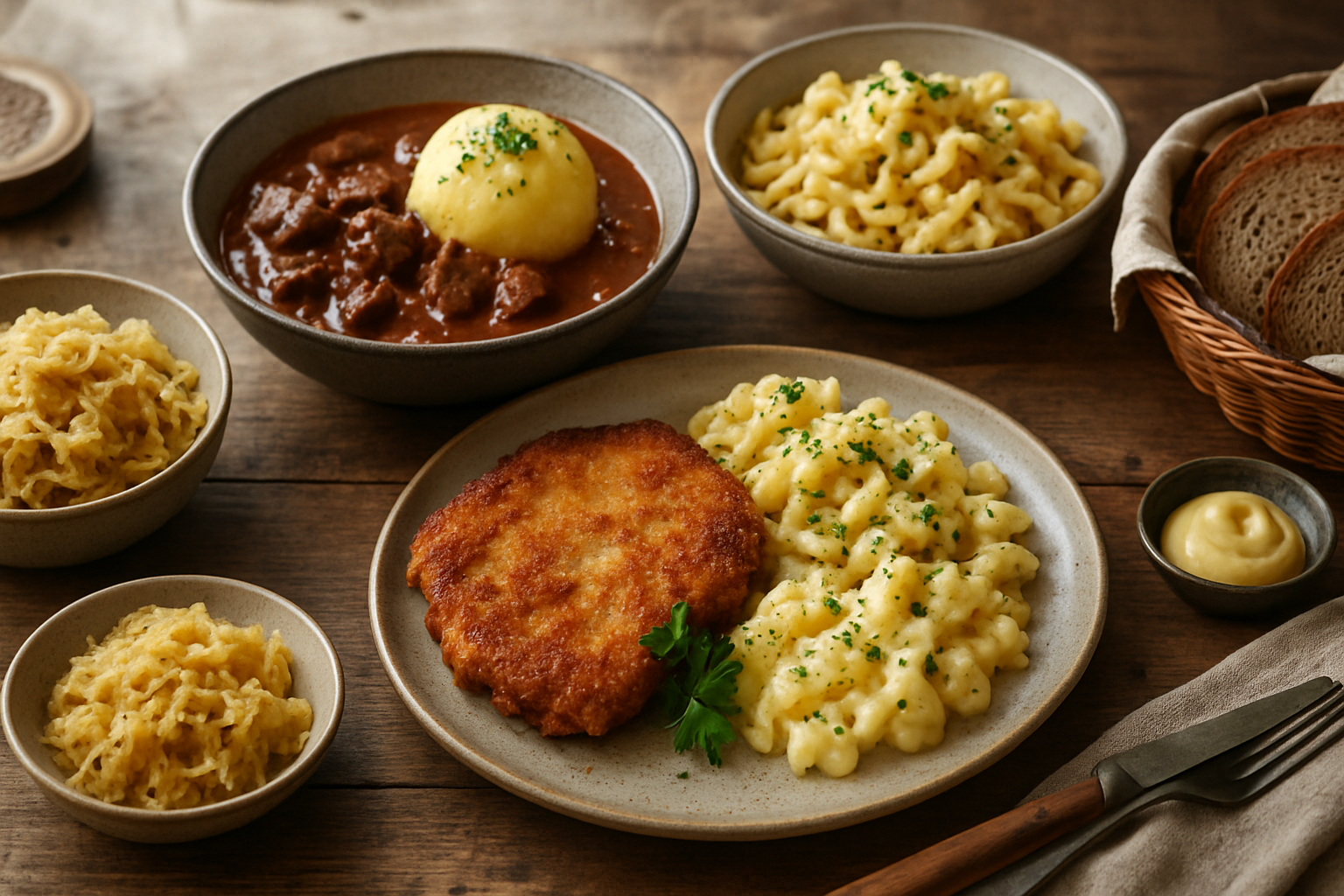
Classic Beef Roulades with Spätzle – A German Comfort Food Favourite
Discover how to make classic beef roulades with spätzle and green beans, a hearty German main course perfect for everyday meals and festive occasions.
📖 What is it
Discover how to make classic beef roulades with spätzle and green beans, a hearty German main course perfect for everyday meals and festive occasions.
🛒 Ingredients
- ✓ 2 beef roulades (about 150g each)
- ✓ 4 slices streaky bacon
- ✓ 1 large onion
- ✓ Salt and freshly ground black pepper
- ✓ 2 tbsp mild mustard
- ✓ 4 pickled gherkins
- ✓ 30g butter or clarified butter
- ✓ 2 carrots
- ✓ 1 leek
- ✓ A small piece of celery
- ✓ 1 clove garlic
- ✓ 150ml dry red wine
- ✓ 1 tbsp dark gravy granules or sauce thickener
- ✓ 250g fresh spätzle
- ✓ 200g green beans
- ✓ 20g butter
📊 Nutritional Information
This recipe is also available in German .
Explore these articles
Classic beef roulades are a beloved German main course, especially popular in Bavaria and Swabia. This dish features tender beef rolled with bacon, pickled gherkins, and onions, simmered in a rich red wine sauce. Traditionally served with fresh spätzle and crisp green beans, it embodies authentic German comfort food enjoyed year-round and during family gatherings.
👨🍳 Preparation
- 1
Lay the roulades flat and season generously with salt and pepper. Spread a thin layer of mustard over each.
- 2
Place two slices of bacon lengthways on each roulade. Slice the pickled gherkins finely and arrange them at the narrow end of the meat.
- 3
Peel and slice the onion into thin rings and layer over the gherkins. Fold in the sides of the roulades and roll them up tightly. Secure with cocktail sticks or kitchen string.
- 4
Heat 20g butter or clarified butter in a heavy-based casserole and brown the roulades all over until beautifully coloured. Remove and set aside.
- 5
Finely dice the carrots, leek, celery, remaining onion and garlic. In the same pot, melt 10g butter and gently soften the vegetables.
- 6
Pour in the red wine to deglaze, then return the roulades to the pot. Bring to a gentle boil, reduce the heat, cover and let simmer gently for about 90 minutes.
- 7
Once cooked, remove the roulades. Blitz the vegetables and sauce with a hand blender until smooth. If the sauce is too thick, add a splash of water and bring back to the boil.
- 8
Thicken the sauce with the gravy granules and return the roulades to keep warm.
- 9
Cook the fresh spätzle according to the packet instructions in salted water. Trim the green beans and cook in salted boiling water until just tender, then drain and toss in 20g butter. Season with salt and pepper.
- 10
Serve the roulades with the spätzle and green beans.
🧠 Why It Works
The success of this dish lies in the harmonious balance of ingredients and cooking technique. The beef roulades combine the smoky saltiness of bacon with the tangy crunch of pickled gherkins and the sweetness of onions, creating a complex flavour profile. Slow simmering in dry red wine tenderises the meat while infusing it with deep, aromatic notes. The smooth, velvety sauce thickened with gravy granules complements the tender roulades perfectly. Accompanying fresh spätzle and buttered green beans add contrasting textures and freshness, rounding out the meal with traditional regional authenticity.
🛠️ Troubleshooting
Why are my beef roulades tough after cooking?
Toughness usually results from cooking at too high a temperature or insufficient simmering time. Slow, gentle cooking over low heat for about 90 minutes ensures tender meat.
How do I prevent the sauce from becoming too thick or too thin?
If the sauce thickens too much, add a splash of water and reheat gently. If too thin, gradually stir in gravy granules or sauce thickener until the desired consistency is reached.
Can I freeze leftover beef roulades and sauce?
While refrigeration for up to 2 days is recommended, freezing is possible but may affect texture. Reheat gently to maintain tenderness and flavour.
How do I reheat roulades without drying them out?
Reheat roulades slowly in a covered pan with some sauce over low heat to keep the meat moist and tender.
💡 Tips and Variations
- •
For a richer flavour, swap regular bacon for smoked belly bacon and finish the sauce with a splash of cream for extra silkiness.
- •
Use a cast-iron casserole for even heat distribution and a deeper flavour.
- •
The heart of this dish lies in the robust meat and the savoury red wine sauce.
- •
For a vegetarian twist, replace the roulades with large aubergine slices stuffed with mushrooms and pickled gherkins.
- •
Alternatively, thick slices of pork fillet can be filled and braised in a similar way.
- •
A dash of soy sauce in the sauce adds a lovely umami depth.
- •
For a quick vegan version, use plant-based meat alternatives, vegetable stock instead of red wine, and thicken the sauce with cornflour.
- •
The secret to this classic is the slow, gentle cooking that makes the meat melt-in-the-mouth tender and melds all the flavours beautifully.
📦 Storage
Leftover roulades and sauce can be stored covered in the fridge for up to 2 days. Reheat gently in a pan to keep the meat tender.
🍷 Pairing
The robust and savory profile of classic beef roulades pairs exquisitely with a German Spätburgunder (Pinot Noir) from Baden, whose bright acidity and delicate red fruit notes enhance the richness of the red wine sauce. Alternatively, a Dornfelder from the Pfalz region offers a fruit-forward character with soft tannins that complement the smoky bacon and mustard elements. For an international touch, an Italian Chianti Classico with its vibrant acidity and subtle earthiness harmonises beautifully, balancing the dish’s hearty flavours while maintaining a refined gastronomic coherence.
❓ F.A.Q.
What cut of beef is best for making roulades?
Thinly sliced topside or silverside beef is ideal for roulades due to its lean texture and ability to roll easily while becoming tender during slow cooking.
Can I prepare beef roulades in advance?
Yes, beef roulades can be assembled and refrigerated a few hours before cooking. Slow simmering just before serving ensures maximum tenderness and flavour.
How do I make spätzle from scratch to serve with roulades?
Spätzle dough is made from flour, eggs, salt, and water. It’s traditionally scraped or pressed through a spätzle maker into boiling salted water, then cooked until they float to the surface.
What are good vegetarian alternatives to beef roulades?
Large aubergine slices stuffed with mushrooms and pickled gherkins offer a satisfying vegetarian twist, maintaining the dish’s characteristic flavours and textures.
How can I adjust the sauce for a richer taste?
Using smoked belly bacon instead of regular bacon and finishing the sauce with a splash of cream adds depth and silkiness to the red wine sauce.
Is this dish suitable for festive occasions like Christmas or Oktoberfest?
Absolutely. Classic beef roulades with spätzle are a traditional festive dish in southern Germany, often enjoyed during Christmas and Oktoberfest celebrations.
🏛️ History and Tradition
Beef roulades, or Rinderrouladen, have been a cherished part of German culinary tradition since the 19th century, especially in southern regions like Bavaria and Swabia. Historically, they were a way to transform affordable cuts of beef into a festive meal through rolling and slow cooking. This dish is deeply embedded in German family celebrations and seasonal festivities such as Christmas and Oktoberfest. Its enduring popularity reflects regional identity and the German emphasis on hearty, flavourful home cooking, reinforcing Alltagsküche’s authority in traditional German cuisine.
This recipe brings a timeless classic to your table, combining tender meat, a flavourful filling and a rich, aromatic sauce. Paired with fresh spätzle and crisp green beans, it’s a comforting meal perfect for cosy evenings. Give it a go at home – it’s sure to become a firm favourite with your family and friends, and a dish you’ll love sharing around the table.
Rate this recipe
Click or tap the stars to rate
Explore these guides
-
 Classic German Dishes: Traditional Recipes
Discover Classic German Dishes that bring authentic flavours and timeless recipes to your kitchen. Dive into hearty meals and traditional favourites you’ll love.