
Alltagsküche
Kochen, wie es zuhause schmeckt

Classic German Beef Roulades with Braised Red Cabbage for Cozy Evenings
Discover the authentic recipe for classic German beef roulades with braised red cabbage and new potatoes. Perfect for traditional family dinners and seasonal comfort.
📖 What is it
Discover the authentic recipe for classic German beef roulades with braised red cabbage and new potatoes. Perfect for traditional family dinners and seasonal comfort.
🛒 Ingredients
- ✓ 3 beef roulades (about 150g each)
- ✓ 3 tbsp mustard
- ✓ 6 slices streaky bacon
- ✓ 2 onions
- ✓ 6 pickled gherkins
- ✓ Salt and freshly ground black pepper
- ✓ 2 tbsp fat (such as clarified butter or oil)
- ✓ 300g soup vegetables (carrots, celery, leek)
- ✓ 2 garlic cloves
- ✓ 250ml dry red wine
- ✓ 1 tbsp dark gravy thickener
- ✓ 1 small red cabbage (about 800g)
- ✓ 2 tbsp lard
- ✓ 1 apple
- ✓ 4 juniper berries
- ✓ 2 bay leaves
- ✓ 3 tbsp red wine vinegar
- ✓ 600g potatoes
📊 Nutritional Information
This recipe is also available in German .
Explore these articles
Classic German beef roulades are a cherished dish from Bavaria and Swabia, featuring tender slow-cooked beef rolled with mustard, bacon, onions, and pickles. Traditionally served with braised red cabbage and boiled potatoes, this hearty meal is especially popular during colder months, offering authentic regional flavours and comforting textures.
👨🍳 Preparation
- 1
Lay the roulades flat and spread a thin layer of mustard over one side.
- 2
Place two slices of bacon, half an onion cut into thin strips, and two gherkins lengthways on each roulade.
- 3
Season with salt and pepper, then roll up tightly and secure with cocktail sticks or kitchen string.
- 4
Heat the fat in a large casserole and brown the roulades well on all sides. Remove and set aside.
- 5
Clean and dice the soup vegetables, finely chop the remaining onion, and crush the garlic.
- 6
Sweat the vegetables, onion and garlic in the cooking fat until lightly coloured.
- 7
Deglaze with the red wine, return the roulades to the pot, cover and simmer gently for about 90 minutes.
- 8
Meanwhile, prepare the red cabbage by quartering it, removing the core, and slicing finely.
- 9
Heat the lard in a large pan and gently soften the diced onion until translucent.
- 10
Add the cabbage and briefly sauté, then peel, core and dice the apple and add it to the cabbage.
- 11
Stir in the juniper berries and bay leaves, season with salt, pepper and red wine vinegar.
- 12
Pour in 125ml red wine, cover and braise the cabbage over medium heat for around 30 minutes, stirring occasionally.
- 13
Peel the potatoes and boil them in salted water until tender, then drain and keep warm.
- 14
Remove the roulades from the casserole and keep warm.
- 15
Strain the cooking liquid through a sieve, top up with water to the desired amount, bring to the boil and thicken with the gravy thickener. Season to taste.
- 16
Return the roulades to the sauce and warm through briefly.
- 17
Serve the roulades with the red cabbage and boiled potatoes.
🧠 Why It Works
This dish balances rich, melt-in-the-mouth beef with the tangy sharpness of mustard and pickled gherkins, while the bacon adds smoky depth. Slow simmering in red wine creates a complex, aromatic sauce that tenderises the meat and melds the flavours. The braised red cabbage, softened with apple and juniper berries, introduces a subtle sweetness and acidity that cuts through the richness. The boiled potatoes provide a neutral, fluffy base, completing the traditional German flavour profile and texture harmony.
🛠️ Troubleshooting
Why is my beef roulade tough after cooking?
Toughness usually results from insufficient slow cooking time or using a cut that is too lean; ensure a gentle simmer for at least 90 minutes to tenderise the meat.
How can I prevent the red cabbage from becoming too sour?
Balance the acidity by adjusting the amount of red wine vinegar and adding a sweet element like apple; cook gently to avoid over-acidification.
What is the best way to reheat leftover roulades without drying them out?
Reheat roulades gently in their sauce over low heat, covered, to retain moisture and prevent the meat from drying.
Can I freeze the cooked roulades and cabbage?
Yes, both can be frozen separately in airtight containers for up to 2 months; thaw slowly in the fridge before reheating gently.
💡 Tips and Variations
- •
For a richer filling, add some smoked bacon and finish the sauce with a splash of cream for extra indulgence.
- •
A cast-iron casserole is ideal for even heat distribution and developing deep flavours.
- •
The heart of this dish lies in the hearty beef and the aromatic red wine sauce.
- •
For a vegetarian twist, swap the roulades for large stuffed Portobello mushrooms and use vegetable stock instead of meat broth.
- •
You can also use tender pork roulades as a quicker alternative to beef.
- •
A small piece of dark chocolate stirred into the sauce adds a lovely depth and enhances the umami notes.
- •
For a speedy vegan version, try seitan roulades, braise the cabbage with apple juice instead of wine, and use a plant-based thickener for the sauce.
- •
The secret to this dish is slow, gentle cooking which makes the meat wonderfully tender and allows the flavours to meld beautifully.
📦 Storage
Leftover roulades and red cabbage can be stored covered in the fridge for 2–3 days. Reheat the sauce gently to keep the meat moist. Potatoes can also be refrigerated but are best served fresh.
🍷 Pairing
This classic German beef roulades dish finds an elegant companion in a Spätburgunder from Baden, whose delicate red fruit notes and smooth tannins echo the roulades’ smoky bacon and mustard nuances. A dry Riesling from the Pfalz region offers vibrant acidity and minerality that refresh the palate against the richness of the red wine sauce and braised cabbage. For an international touch, a Chianti Classico with its balanced tannins and spicy cherry character complements the robust flavours, bridging German tradition with Italian finesse.
❓ F.A.Q.
What cut of beef is best for making roulades?
Thin slices of top round or silverside are ideal for roulades due to their lean texture and ability to become tender when slow-cooked.
Can I prepare beef roulades in advance?
Yes, roulades can be assembled and refrigerated a few hours before cooking to enhance flavour infusion, but slow cooking should be done fresh for best texture.
How do I keep the roulades from falling apart during cooking?
Secure the roulades tightly with kitchen string or cocktail sticks and avoid stirring too vigorously while simmering to maintain their shape.
Is red wine essential in the sauce?
Red wine adds depth and acidity that balances the richness, but you can substitute with a robust grape juice or broth for a non-alcoholic version.
What seasonal occasions suit this dish best?
Beef roulades with braised red cabbage are perfect for autumn and winter festivities such as Christmas or family Sunday dinners, aligning with traditional German seasonal cuisine.
🏛️ History and Tradition
Beef roulades, or Rinderrouladen, have been a staple of German home cooking since the 19th century, particularly in Bavaria and Swabia. Traditionally served during colder months and festive occasions, they embody the German culinary ethos of hearty, slow-cooked meals designed to nourish and comfort. The inclusion of mustard, bacon, and pickled gherkins reflects regional flavour preferences, while braised red cabbage and potatoes complete the classic plate. This dish not only showcases German cooking techniques but also reinforces cultural identity through its enduring presence at family tables and holiday celebrations.
This recipe brings a lovely slice of German culinary tradition straight to your table – a dish that delights with tender meat, a flavoursome filling and fruity red cabbage every time. Taking your time with the slow cooking really pays off, making the roulades irresistibly delicious. I do hope you’ll give this a go at home and enjoy sharing it with your nearest and dearest – it’s the perfect way to create a cosy, memorable meal together.
Rate this recipe
Click or tap the stars to rate
Explore these guides
-
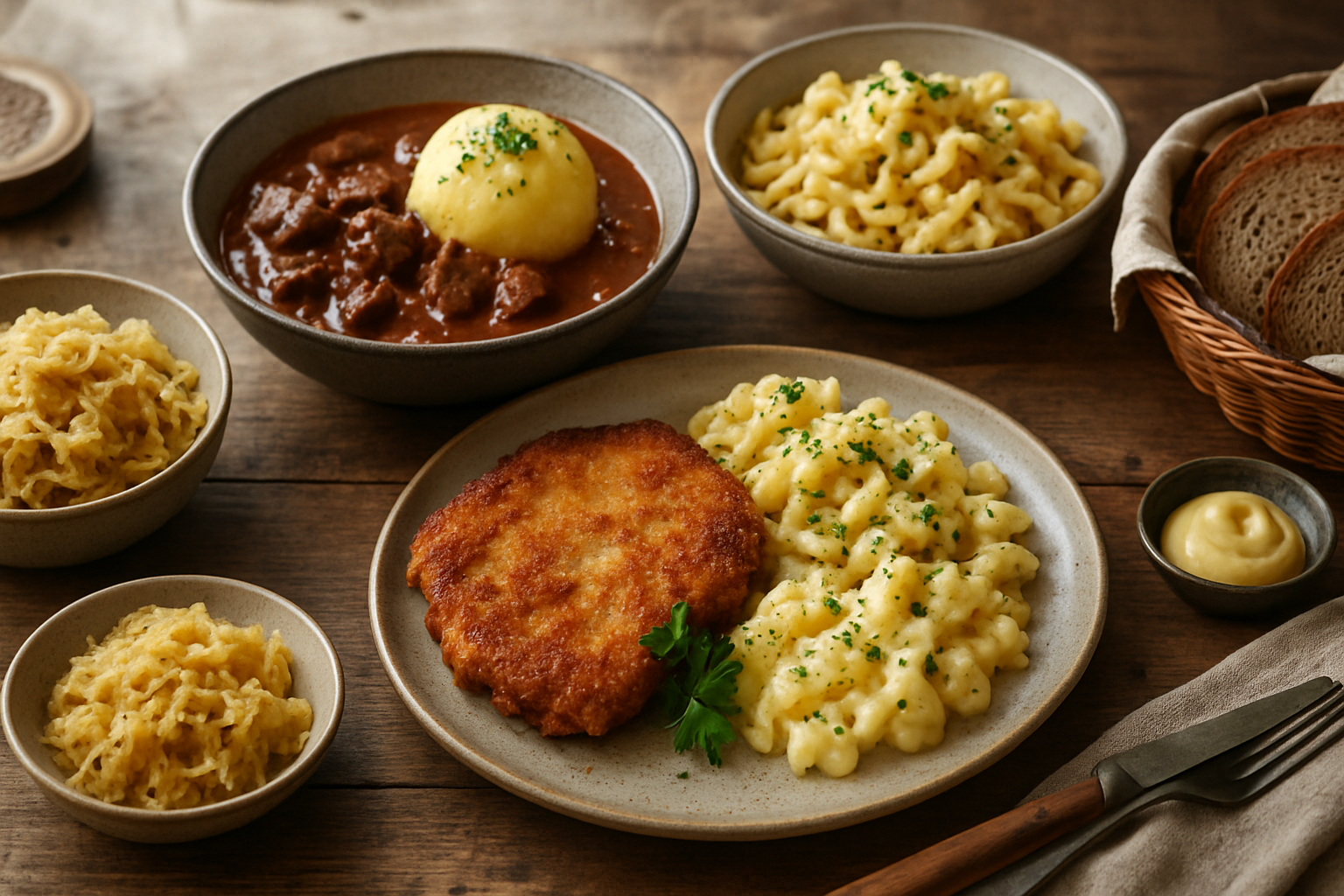 Classic German Dishes: Traditional Recipes
Discover Classic German Dishes that bring authentic flavours and timeless recipes to your kitchen. Dive into hearty meals and traditional favourites you’ll love.