
Alltagsküche
Kochen, wie es zuhause schmeckt
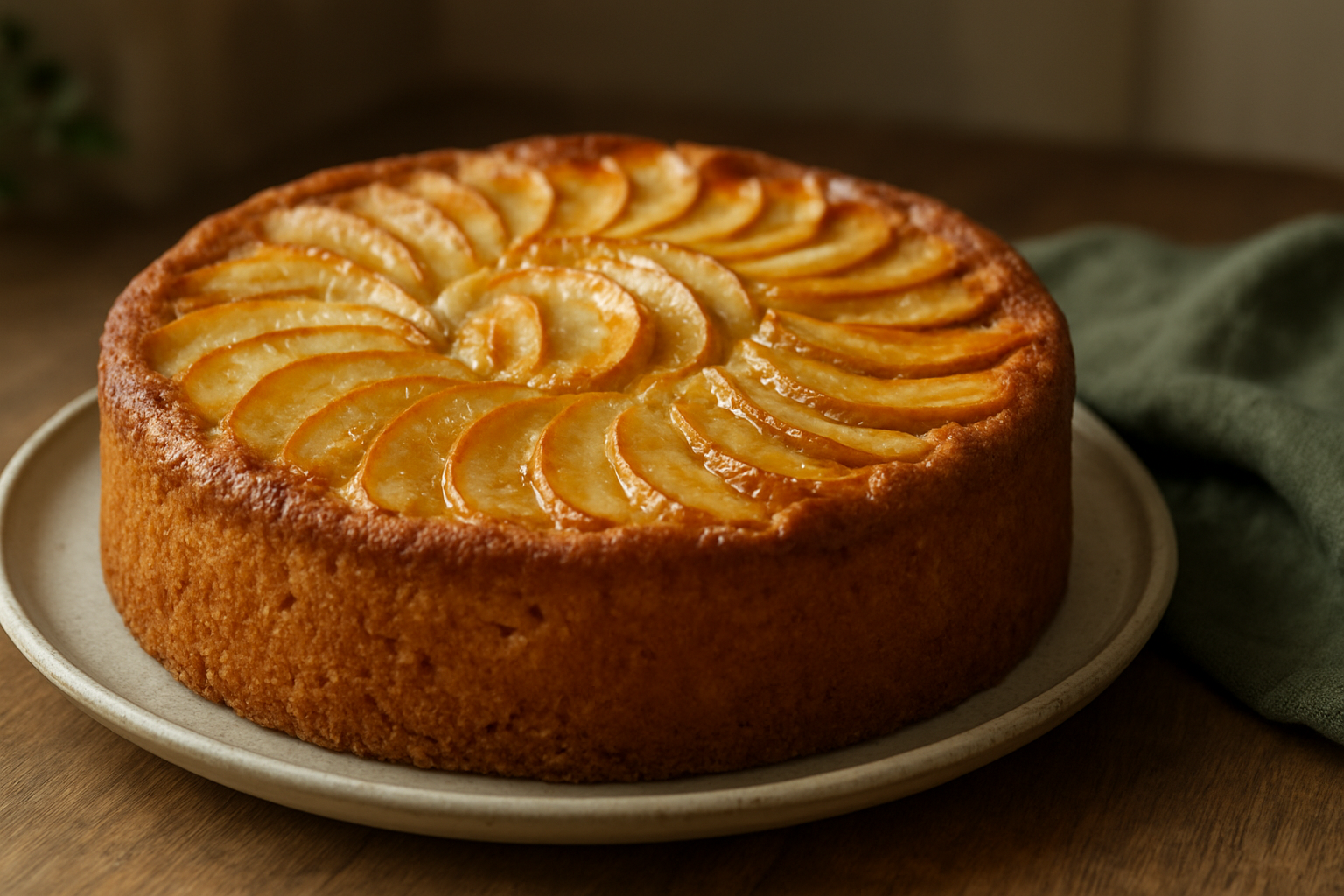
Classic Apple Cake with Vanilla and Lemon – Perfect for Autumn Baking
🛒 Ingredients
- ✓
200 g soft margarine
- ✓
150 g sugar
- ✓
1 sachet Bourbon vanilla sugar
- ✓
1 pinch of salt
- ✓
1 unwaxed lemon, finely grated zest only
- ✓
3 medium eggs
- ✓
250 g plain flour
- ✓
2 level tsp baking powder
- ✓
100 ml milk
- ✓
3 large apples
- ✓
30 g butter, melted, for brushing
- ✓
1 tbsp apricot jam
- ✓
1 tbsp water
- ✓
Butter and flour, for the 26 cm springform tin
This recipe is also available in German.
Explore these articles
📌 Overview
Classic apple cake is a beloved German dessert combining juicy apples, fragrant vanilla, and fresh lemon zest in a tender sponge. Rooted in everyday home baking traditions across Bavaria and Swabia, this cake offers a comforting, authentic flavour perfect for autumn and winter seasons. Its straightforward preparation makes it a staple for both novice and experienced bakers.
👨🍳 Preparation
- 1
Heat the oven to 180°C conventional.
- 2
Grease the base of a 26 cm springform tin well with butter and dust lightly with flour so the cake releases easily after baking.
- 3
Using a hand mixer, beat the margarine with the sugar, vanilla sugar, salt and finely grated lemon zest until pale and fluffy.
- 4
Add the eggs one at a time, beating well after each addition until the mixture is smooth and well combined.
- 5
In a separate bowl, mix the flour and baking powder, then sift into the margarine and egg mixture.
- 6
Stir in the milk at the end until you have a smooth batter.
- 7
Spread the batter evenly into the prepared tin and smooth the top with a lightly dampened spatula.
- 8
Peel the apples, quarter them, remove the cores and score each quarter in a fan shape without cutting all the way through.
- 9
Arrange the apple quarters decoratively over the batter and brush them with the melted butter.
- 10
Bake on the middle shelf for about 45 minutes, until the apples are golden and the cake is cooked through.
- 11
Meanwhile, warm the apricot jam with the water in a small saucepan until loosened and glossy.
- 12
Remove the cake from the oven and brush the apples straight away with the warm jam for a lovely shine.
- 13
Carefully loosen the cake from the tin and leave to cool completely on a wire rack before slicing.
🧠 Why It Works
This apple cake balances moist, juicy fruit with a light, tender sponge enriched by vanilla and lemon zest, which add aromatic complexity and freshness. The interplay of fat from margarine, acidity from lemon, and sweetness from sugar creates a harmonious flavour profile. Baking powder ensures a gentle rise, while the apricot jam glaze enhances the fruit’s natural shine and adds subtle sweetness. This combination reflects traditional German baking principles emphasizing texture, flavour layering, and seasonal fruit use.
🛠️ Troubleshooting
Why is my apple cake dense instead of light and fluffy?
Overmixing the batter after adding flour can develop gluten, causing density. Mix just until combined and ensure baking powder is fresh for proper rise.
What if the apples dry out during baking?
Score the apple quarters without cutting through to retain moisture. Brushing with melted butter before baking and apricot jam after baking helps keep them juicy.
How can I prepare the cake in advance without losing quality?
Bake the cake fully, cool completely, then store wrapped in the fridge. Warm gently before serving to restore softness and aroma.
My cake tastes bland; how can I enhance the flavour?
Ensure to use fresh vanilla sugar and lemon zest for aromatic depth. Adding a pinch of cinnamon can also elevate the warm, comforting notes.
💡 Tips and Variations
- •
For a richer version, swap the margarine for good-quality butter and add a splash of double cream to the batter for extra softness.
- •
A lightly dampened spatula is very handy for smoothing the batter neatly before baking.
- •
The gentle sweetness of the sugar and vanilla gives this cake its warm, comforting character.
- •
For a dairy-free version, use plant-based margarine and milk instead.
- •
For an autumn twist, you can replace the apples with pears or plums.
- •
A pinch of cinnamon in the batter works beautifully and brings out the flavour of the apples.
- •
For a gluten-free version, use a gluten-free flour blend and a suitable egg replacer such as apple purée or ground linseed.
- •
What makes this cake work so well is the balance between the juicy fruit and the light, tender sponge.
📦 Storage
Kept in an airtight container, the apple cake will stay fresh at room temperature for up to 2 days. For longer storage, wrap it well and keep it in the fridge, then warm it slightly before serving.
🍷 Pairing
This classic apple cake pairs exquisitely with a German Riesling Kabinett, whose bright acidity and subtle fruitiness complement the cake’s juicy apples and vanilla notes. A Silvaner from Franconia offers a delicate minerality and light body that harmonises with the lemon zest and tender sponge. For an international touch, a crisp Italian Pinot Grigio with refreshing acidity and floral aromas balances the cake’s sweetness and enhances its aromatic complexity, creating a refined and culturally coherent tasting experience.
❓ F.A.Q.
What type of apples work best for classic apple cake?
Firm, slightly tart apples like Braeburn, Cox’s Orange Pippin, or Elstar are ideal as they hold their shape during baking and balance the cake’s sweetness.
Can I make this apple cake dairy-free or gluten-free?
Yes, substitute margarine and milk with plant-based alternatives for a dairy-free version. For gluten-free, use a gluten-free flour blend and an egg replacer such as apple purée or ground linseed.
How do I achieve a shiny apple topping on the cake?
Brushing the baked apple slices with warm apricot jam mixed with water immediately after baking creates a glossy, attractive finish.
Is this apple cake suitable for festive occasions like Christmas or Martinstag?
Absolutely. Its warm vanilla and lemon notes, along with optional cinnamon, make it a fitting dessert for autumn and winter festivities celebrated in Germany.
How should I store leftover apple cake to maintain freshness?
Store in an airtight container at room temperature for up to two days or refrigerate for longer freshness, warming slightly before serving.
🏛️ History and Tradition
Classic apple cake has long been a staple in German home baking, especially in regions like Bavaria and Swabia, where apple harvests are celebrated in autumn. Traditionally baked for family gatherings and festive occasions such as Martinstag, this cake embodies the German ethos of simple, seasonal ingredients transformed into comforting desserts. Its enduring popularity reflects a deep-rooted culinary heritage that values balance, texture, and regional fruit varieties, reinforcing its status as a cultural icon in everyday German cuisine.
This is the sort of cake that never goes out of style: simple, comforting and full of gentle flavour. If you are after a reliable bake to share over tea or to bring to the table after supper, this one is well worth making. Do give it a try at home and, if you can, share a slice or two with family and friends.
Rate this recipe
Click or tap the stars to rate
Explore these guides
-
 30 Apple Cake Recipes: Classic, Easy & Moist Apple Cakes for Every Occasion
Discover the best apple cake recipes, from classic favorites to quick and moist cakes perfect for any occasion.