
Alltagsküche
Kochen, wie es zuhause schmeckt

Beef Roulades German Recipe with Pepper & Leek – Perfect for Sunday Lunch
Discover how to make authentic German beef roulades with smoky bacon and red wine sauce, paired with a fresh pepper and leek medley. Ideal for cosy meals.
📖 What is it
Discover how to make authentic German beef roulades with smoky bacon and red wine sauce, paired with a fresh pepper and leek medley. Ideal for cosy meals.
🛒 Ingredients
- ✓ 2 beef roulades (about 150g each)
- ✓ Salt and freshly ground black pepper, to taste
- ✓ 2 tbsp mustard
- ✓ 4 rashers of bacon
- ✓ 1 large onion
- ✓ 2 tbsp butter or lard
- ✓ 1 tbsp tomato purée
- ✓ 150ml red wine
- ✓ 200ml beef stock
- ✓ 1 tsp potato starch
- ✓ 2 tbsp double cream
- ✓ 1 red pointed pepper
- ✓ 1 leek
- ✓ 2 tbsp maize oil
- ✓ 1 garlic clove
📊 Nutritional Information
This recipe is also available in German .
Explore these articles
Beef roulades are a cherished classic in German cuisine, especially popular in regions like Bavaria and Swabia. This dish features tender beef rolls filled with smoky bacon and onions, slowly braised in red wine for a rich, comforting flavour. Served alongside gently sautéed pepper and leek, it offers a perfect balance of hearty and fresh elements, making it a beloved choice for traditional Sunday lunches or festive gatherings.
👨🍳 Preparation
- 1
Lay the roulades flat and season with salt, pepper, and spread over the mustard.
- 2
Place two rashers of bacon on each roulade.
- 3
Peel the onion, slice half into fine strips and scatter over the bacon.
- 4
Roll the roulades up tightly and tie securely with kitchen string.
- 5
Heat the butter or lard in a heavy-based casserole and brown the roulades all over until beautifully caramelised. Remove and set aside.
- 6
Finely dice the remaining onion and gently soften it in the pan juices until translucent.
- 7
Stir in the tomato purée and cook briefly, then deglaze with the red wine and allow to reduce slightly.
- 8
Pour in the beef stock, return the roulades to the pot, cover with a lid and simmer gently for about 90 minutes.
- 9
Once cooked, remove the roulades. Bring the sauce to a vigorous boil.
- 10
Mix the potato starch with the cream until smooth, then stir into the sauce to thicken. Return the roulades to the sauce and keep warm over low heat.
- 11
For the veg, wash and core the pointed pepper, then slice into rings. Clean the leek and slice into rings as well.
- 12
Heat the maize oil in a frying pan and sauté the pepper and leek, stirring frequently.
- 13
Crush the garlic and add to the vegetables, seasoning with salt and pepper.
- 14
Cover and gently steam the veg over a medium heat for about 15 minutes until tender.
🧠 Why It Works
The success of this beef roulades recipe lies in its harmonious balance of ingredients and cooking technique. The mustard and smoky bacon provide a sharp, savory base that complements the tender beef, while slow braising in red wine and beef stock gently breaks down the meat fibres, resulting in buttery softness. The tomato purée and caramelised onions add depth and sweetness, enhancing the sauce’s complexity. The pepper and leek medley introduces a fresh, slightly sweet contrast, with the garlic and maize oil adding aromatic layers. This interplay of fat, acid, and salt is quintessentially German, reflecting regional culinary traditions and delivering a dish that is both robust and refined.
🛠️ Troubleshooting
Why are my beef roulades tough after cooking?
Toughness often results from insufficient braising time or too high heat. Ensure slow, gentle simmering for about 90 minutes to break down connective tissue and tenderise the meat.
How can I prevent the sauce from being too thin?
Use the potato starch and cream mixture to thicken the sauce gradually. Avoid adding starch directly to boiling liquid to prevent lumps.
What if the vegetables are undercooked or too soft?
Sauté the pepper and leek gently and steam covered for about 15 minutes. Adjust timing based on vegetable size and freshness to maintain a tender yet firm texture.
How should I store and reheat leftovers to preserve flavour?
Store roulades and vegetables covered in the fridge for up to two days. Reheat slowly in the sauce over low heat to keep the meat moist and flavours intact.
💡 Tips and Variations
- •
For a richer twist, swap the bacon for smoked streaky bacon and finish the sauce with a splash of cream for extra indulgence.
- •
Use a heavy-bottomed casserole to ensure even heat distribution, which helps the roulades become wonderfully tender.
- •
The star of this dish is the deep, meaty flavour of the beef combined with the smoky bacon notes.
- •
For a vegetarian option, replace the roulades with large stuffed Portobello mushrooms and use vegetable stock instead of beef.
- •
Alternatively, smoked tofu can stand in for bacon to add a smoky flavour without meat.
- •
A dash of soy sauce in the sauce adds a lovely umami depth and complexity.
- •
For a quick vegan version, try seitan roulades with vegetable stock and plant-based cream alternatives.
- •
The secret to this classic lies in the slow, gentle braising that melts the meat to buttery softness and melds all the flavours beautifully.
📦 Storage
Leftovers can be stored covered in the fridge for up to two days. Reheat the roulades and vegetables gently in the sauce to keep them moist and tender.
🍷 Pairing
A German Spätburgunder from Baden offers delicate fruitiness and elegant tannins that beautifully complement the rich, smoky notes of the beef roulades. Alternatively, a Dornfelder from the Pfalz region brings a fruity depth with moderate acidity, enhancing the dish’s robust flavours. For an international touch, an Italian Chianti Classico with its balanced acidity and subtle earthiness harmonises well, lifting the sauce and refreshing the palate while maintaining a refined gastronomic coherence.
❓ F.A.Q.
What cut of beef is best for making roulades?
Thin slices of top round or silverside are ideal for roulades as they are lean yet tender enough to roll and braise slowly without becoming tough.
Can I prepare beef roulades in advance?
Yes, beef roulades can be made a day ahead. After cooking, cool them in the sauce, then refrigerate. Reheat gently in the sauce to maintain moisture and tenderness.
How do I achieve the perfect sauce consistency?
Thicken the sauce by mixing potato starch with double cream before stirring it in. This creates a smooth, velvety texture that clings well to the roulades.
Are there vegetarian alternatives to traditional beef roulades?
Absolutely. Large stuffed Portobello mushrooms or seitan roulades with vegetable stock and plant-based cream offer satisfying vegetarian or vegan options while preserving the dish’s essence.
What seasonal occasions suit this beef roulades recipe best?
This hearty dish is perfect for colder months and festive occasions such as Christmas or Martinstag, when slow-cooked, comforting meals are especially appreciated.
🏛️ History and Tradition
Beef roulades, or Rinderrouladen, have been a staple of German home cooking since the 19th century, especially in southern regions like Bavaria and Swabia. Traditionally served during Sunday family meals and festive occasions, they showcase the German art of slow braising and flavour layering. The combination of beef, bacon, and onions reflects regional preferences for hearty, comforting dishes that celebrate local ingredients and cooking methods. This recipe embodies the cultural identity of German cuisine, reinforcing its place in both everyday and celebratory dining.
With its timeless blend of tender beef, savoury filling and fresh vegetables, this roulade recipe is a true crowd-pleaser. It’s a wonderful way to create a memorable meal from simple ingredients, requiring just a little patience and care. I do hope you’ll give it a go at home – it’s perfect for sharing with family and friends, bringing a touch of comforting tradition to your table.
Rate this recipe
Click or tap the stars to rate
Explore these guides
-
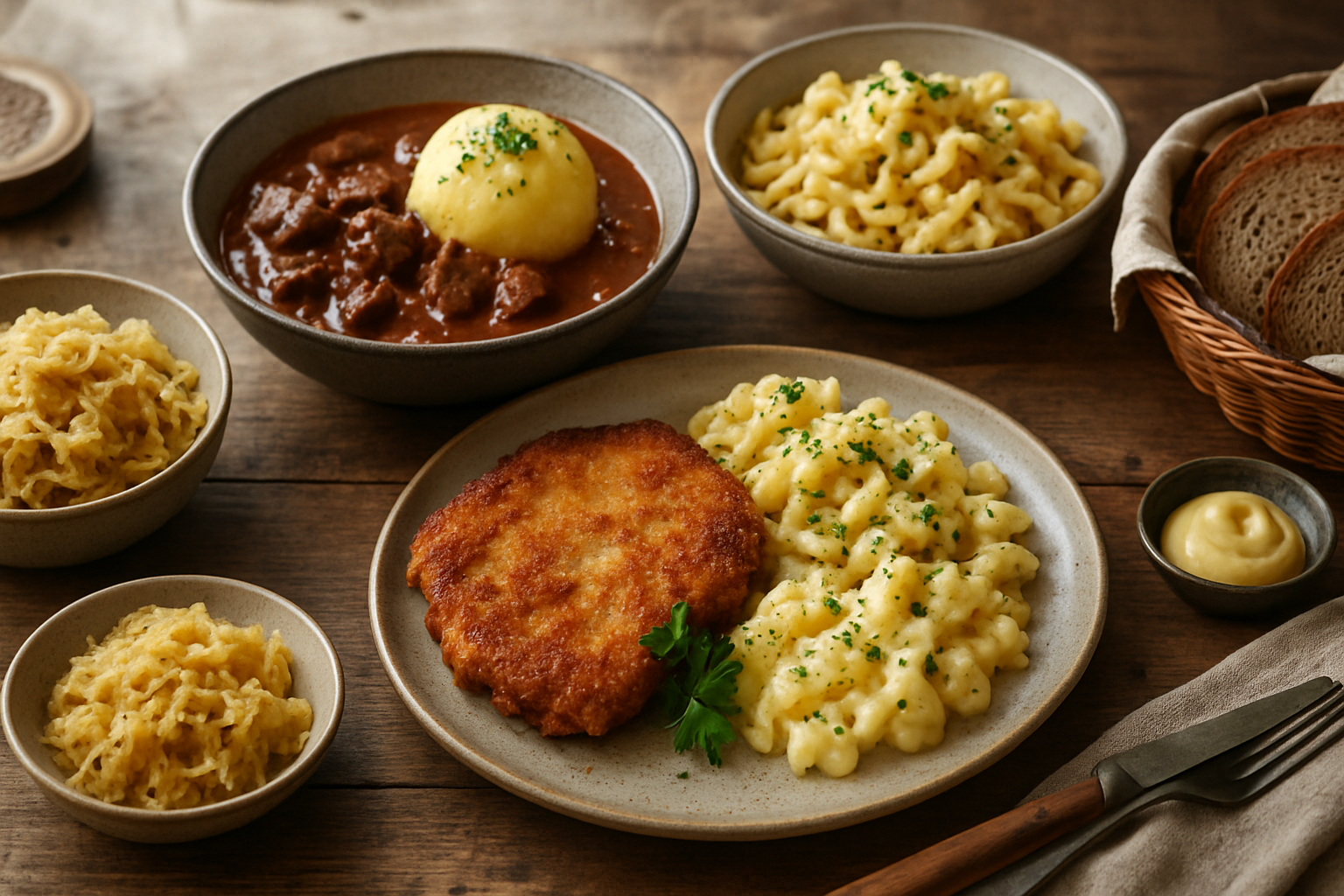 Classic German Dishes: Traditional Recipes
Discover Classic German Dishes that bring authentic flavours and timeless recipes to your kitchen. Dive into hearty meals and traditional favourites you’ll love.