
Alltagsküche
Kochen, wie es zuhause schmeckt

Beef Roulades in Burgundy Sauce – A Classic German Winter Main
Master beef roulades in rich Burgundy sauce with ham, parsley, and chanterelles. Perfect for cosy German dinners in autumn and winter.
📖 What is it
Master beef roulades in rich Burgundy sauce with ham, parsley, and chanterelles. Perfect for cosy German dinners in autumn and winter.
🛒 Ingredients
- ✓ 2 beef roulades (about 150g each)
- ✓ Salt
- ✓ Freshly ground black pepper
- ✓ 2 tbsp mustard
- ✓ 4 slices country ham
- ✓ 2 onions
- ✓ 1 bunch parsley
- ✓ 2 tbsp butter or lard
- ✓ 30g dried chanterelle mushrooms
- ✓ 1 tbsp tomato purée
- ✓ 125ml Burgundy red wine
- ✓ 250ml vegetable stock
- ✓ 50ml double cream
- ✓ 1 tbsp cornflour or plain flour
📊 Nutritional Information
This recipe is also available in German .
Explore these articles
Beef roulades in Burgundy sauce are a cherished German main course, especially popular in regions like Bavaria and Baden-Württemberg during the colder months. This dish combines tender beef rolled with ham, mustard, and fresh parsley, slowly braised in a rich red wine sauce with earthy chanterelle mushrooms. Its hearty flavours and traditional preparation make it a comforting classic in German home cooking.
👨🍳 Preparation
- 1
Lay the roulades flat and season both sides with salt and freshly ground black pepper.
- 2
Spread a thin layer of mustard over each roulade, then place two slices of country ham on top.
- 3
Peel one onion and slice it finely into rings, distributing them evenly over the ham.
- 4
Wash the parsley, shake dry and roughly chop it, then scatter over the onions.
- 5
Roll the roulades up tightly and secure with kitchen string.
- 6
Heat the butter or lard in a heavy-based casserole and brown the roulades all over until nicely coloured. Remove and set aside.
- 7
Finely dice the second onion and gently sweat it in the remaining fat until translucent.
- 8
Add the dried chanterelles (no need to soak beforehand) and briefly fry with the onions.
- 9
Stir in the tomato purée and cook until it just starts to caramelise.
- 10
Pour in the Burgundy wine and allow it to reduce slightly.
- 11
Return the roulades to the pot, pour over the vegetable stock and cover with a lid.
- 12
Simmer gently over low heat for about 90 minutes, topping up with a splash of stock or wine if the sauce thickens too much.
- 13
Mix the cream with the cornflour until smooth, stir into the sauce and bring to a gentle boil to thicken.
- 14
Remove the roulades from the pot, discard the string and serve with the rich Burgundy sauce.
🧠 Why It Works
The success of beef roulades in Burgundy sauce lies in the harmonious balance of ingredients and cooking technique. The mustard and country ham provide a salty, tangy base that complements the tender beef. Slow braising in Burgundy wine and vegetable stock infuses the meat with deep, fruity acidity and umami from the chanterelles, while the cream and flour thicken the sauce to a velvety texture. This interplay of fat, acid, and salt creates a complex aromatic profile typical of German slow-cooked dishes, ensuring melt-in-the-mouth tenderness and a rich, layered flavour that reflects regional culinary traditions.
🛠️ Troubleshooting
Why are my roulades tough after cooking?
Toughness often results from cooking at too high a temperature or insufficient braising time. Slow, gentle simmering for at least 90 minutes ensures tender meat.
How can I prevent the sauce from becoming too thin?
If the sauce is too thin, mix cream with cornflour before stirring it in and bring to a gentle boil to thicken. Alternatively, reduce the sauce uncovered to concentrate flavours.
What if the sauce tastes too acidic?
Balance acidity by adding a small amount of cream or a pinch of sugar to mellow the sharpness of the wine.
How should I store leftover roulades and sauce?
Store roulades and sauce in an airtight container in the fridge for up to 3 days. Reheat gently over low heat to maintain tenderness.
Can I freeze beef roulades with sauce?
Yes, roulades freeze well. Cool completely, then freeze in a sealed container. Thaw overnight in the fridge and reheat slowly.
💡 Tips and Variations
- •
For a richer flavour, swap butter for beef dripping and add a slice of foie gras to the filling.
- •
A heavy-bottomed casserole ensures even heat distribution and prevents sticking.
- •
The dish’s charm lies in the hearty meatiness and the deep notes of red wine.
- •
Vegetarian option: replace the roulades with large aubergine slices stuffed with mushrooms and nuts.
- •
Alternatively, use thick pork fillet slices filled and braised in the same way.
- •
A splash of soy sauce in the sauce adds a lovely umami depth.
- •
For a quick vegan version, try seitan roulades, use vegetable oil instead of butter, and thicken the sauce with cornflour.
- •
The secret to this dish is slow, gentle cooking that renders the meat meltingly tender and melds the flavours beautifully.
📦 Storage
Roulades and sauce keep well in the fridge for 2–3 days. Reheat gently over low heat to keep the meat tender.
🍷 Pairing
The rich, earthy notes of the Burgundy sauce call for wines that balance acidity and fruitiness. A German Spätburgunder from the Pfalz region offers bright cherry aromas and moderate tannins that complement the dish’s savory depth. Alternatively, a Spätburgunder from Baden brings a slightly fuller body with subtle spice and mineral undertones, enhancing the mushroom and wine sauce flavors. For an international touch, a French Pinot Noir from Burgundy itself provides elegant red fruit and silky tannins, harmonising beautifully with the slow-cooked beef roulades and their luxurious sauce.
❓ F.A.Q.
What cut of beef is best for roulades?
Thin slices of lean beef such as top round or silverside are ideal for roulades as they roll easily and become tender when slow-cooked.
Can I prepare beef roulades in advance?
Yes, roulades can be assembled and refrigerated a few hours before cooking. Slow braising can also be done ahead, with gentle reheating to preserve tenderness.
How do I thicken the Burgundy sauce without flour?
You can use a cornstarch slurry or reduce the sauce by simmering longer to achieve a thicker consistency without flour.
Are there vegetarian alternatives to beef roulades?
Yes, large aubergine slices stuffed with mushrooms and nuts or seitan roulades offer satisfying vegetarian or vegan options with similar textures and flavours.
What side dishes pair well with beef roulades in Burgundy sauce?
Traditional sides include buttered spaetzle, red cabbage, or creamy mashed potatoes, which complement the rich sauce and tender meat.
🏛️ History and Tradition
Beef roulades, or 'Rinderrouladen,' have been a staple of German home cooking since the 19th century, especially in southern regions like Bavaria and Baden-Württemberg. Traditionally prepared during autumn and winter, they embody the hearty, slow-cooked meals cherished in German households. The use of Burgundy wine in the sauce reflects historical trade and culinary influences from neighbouring France, particularly the Alsace and Baden areas. This dish is often served at festive family gatherings and Sunday dinners, reinforcing its role as a symbol of comfort and regional identity in German cuisine.
This recipe brings a classic slow-cooked dish to your table, where the balanced seasoning and velvety Burgundy sauce shine through. With a little patience and care, you’ll create a memorable meal that’s perfect for sharing with loved ones. Give it a go – your family and friends will be asking for seconds in no time!
Rate this recipe
Click or tap the stars to rate
Explore these guides
-
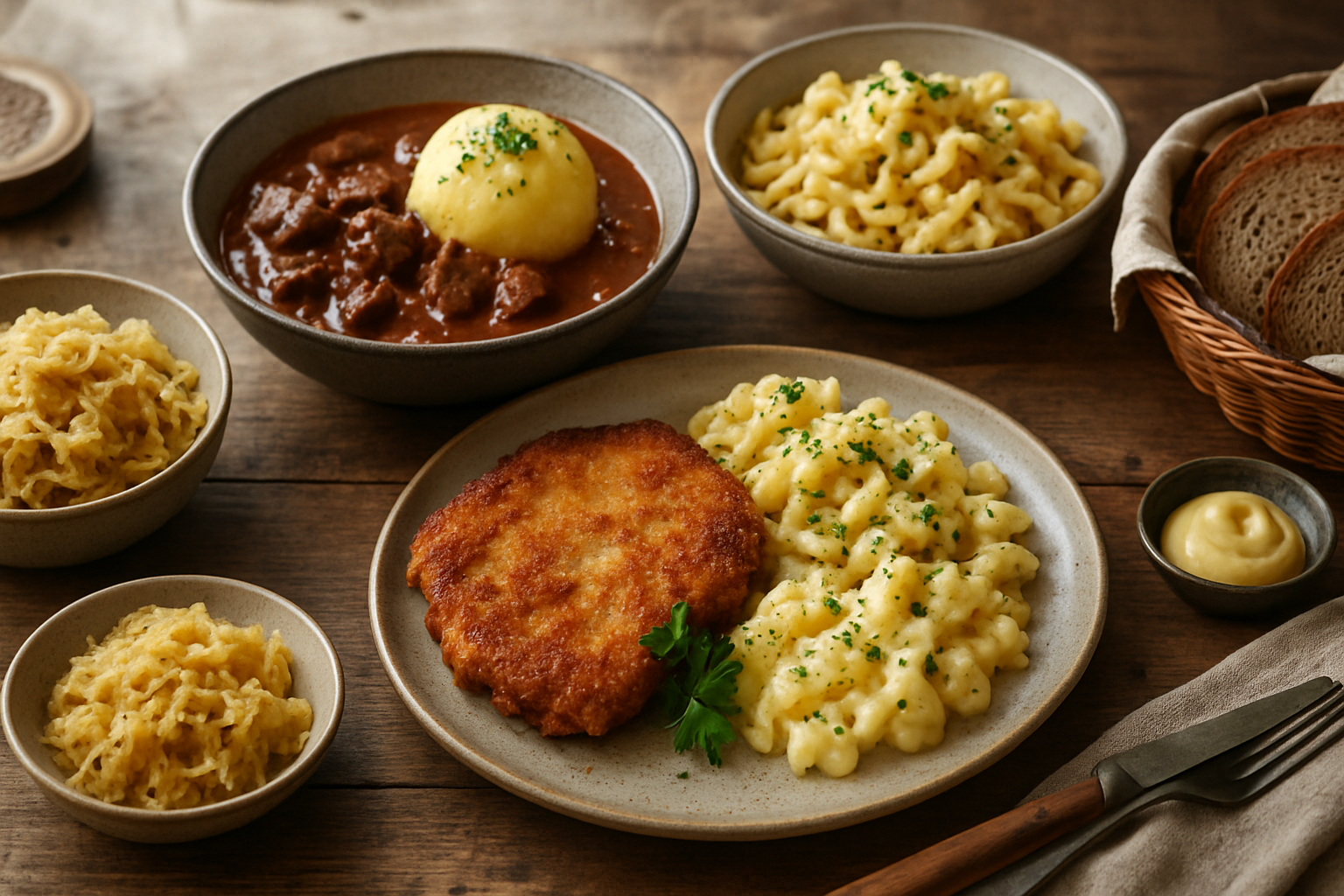 Classic German Dishes: Traditional Recipes
Discover Classic German Dishes that bring authentic flavours and timeless recipes to your kitchen. Dive into hearty meals and traditional favourites you’ll love.