
Alltagsküche
Kochen, wie es zuhause schmeckt

Beamtenstippe Recipe – Hearty German Mince Stew for Everyday Comfort
Discover the authentic Beamtenstippe recipe, a hearty German mince stew with pickles and crusty rolls. Perfect for quick, comforting everyday meals.
📖 What is it
Discover the authentic Beamtenstippe recipe, a hearty German mince stew with pickles and crusty rolls. Perfect for quick, comforting everyday meals.
🛒 Ingredients
- ✓ 1 large onion
- ✓ 30 g margarine
- ✓ 300 g mixed minced beef and pork
- ✓ Salt and pepper, to taste
- ✓ 2 tbsp plain flour
- ✓ 2 tbsp tomato purée
- ✓ 250 ml water
- ✓ 4 pickled gherkins
- ✓ 2 seeded crusty rolls
📊 Nutritional Information
This recipe is also available in German .
Explore these articles
Beamtenstippe is a traditional German mince stew originating from everyday home cooking, especially popular in regions like Rhineland and Westphalia. This simple yet hearty dish combines browned minced beef and pork with tangy pickles and a rich tomato sauce, simmered slowly to develop deep flavours. Served with crusty rolls, it embodies authentic German comfort food ideal for quick weekday dinners or cozy seasonal meals.
👨🍳 Preparation
- 1
Peel and finely chop the onion.
- 2
Melt the margarine in a heavy-based pan over a medium heat and gently soften the onions until translucent.
- 3
Add the minced meat, season with salt and pepper, and fry briskly, stirring, until nicely browned all over.
- 4
Sprinkle the flour over the meat and cook for a minute to help thicken the sauce.
- 5
Stir in the tomato purée and cook briefly to deepen the flavours.
- 6
Pour in the water, scraping the bottom of the pan to loosen any tasty browned bits.
- 7
Pop on the lid, turn the heat down to low, and let the stew gently simmer for about 20 minutes.
- 8
Meanwhile, finely dice the pickled gherkins.
- 9
Just before serving, fold the gherkins into the mince sauce.
- 10
Serve the Beamtenstippe alongside freshly sliced seeded rolls and tuck in.
🧠 Why It Works
Beamtenstippe balances the rich umami of browned mixed minced meat with the sharp acidity of pickled gherkins and the sweetness of tomato purée, creating a complex flavour profile. The slow simmering allows the sauce to thicken naturally, melding the flour’s thickening power with the meat’s juices. The margarine adds a subtle buttery richness, while seasoning with salt and pepper enhances the overall taste. The crusty rolls provide a textural contrast, soaking up the sauce and completing the meal with a satisfying bite. This harmony of fat, acid, and salt is characteristic of traditional German rustic cooking, making Beamtenstippe both comforting and flavourful.
🛠️ Troubleshooting
Why is my Beamtenstippe sauce too thin?
If the sauce is too thin, ensure you have cooked the flour sufficiently to activate its thickening properties and allow the stew to simmer uncovered for a few extra minutes to reduce excess liquid.
How do I avoid dry or tough minced meat in Beamtenstippe?
Use mixed minced beef and pork with some fat content, brown the meat quickly over medium heat without overcrowding the pan, and simmer gently to keep the meat tender and juicy.
My Beamtenstippe tastes bland – how can I improve the flavour?
Adjust seasoning with salt and pepper, add a dash of soy sauce for umami depth, and ensure the tomato purée is cooked briefly to develop its sweetness and richness.
Can I prepare Beamtenstippe in advance?
Yes, Beamtenstippe can be made ahead and stored in the fridge for up to two days. Reheat gently before serving, adding a splash of water or stock to refresh the sauce.
How to reheat Beamtenstippe without drying it out?
Reheat slowly over low heat, stirring occasionally, and add a little water or vegetable stock to maintain moisture and prevent the sauce from drying out.
💡 Tips and Variations
- •
For a richer twist, swap margarine for butter and add a splash of cream to make the sauce luxuriously smooth.
- •
Use a heavy-bottomed casserole or pan to ensure even heat distribution and prevent sticking.
- •
The dish’s charm lies in the robust flavour of the browned mince combined with the tangy tomato purée.
- •
Vegetarian option: replace the mince with finely chopped mushrooms or cooked lentils for a meat-free version.
- •
Texture swap: diced mushrooms or mashed chickpeas work well instead of mince to mimic the mouthfeel.
- •
A dash of soy sauce adds a lovely umami depth to the sauce.
- •
Quick vegan version: use pea-based vegan mince, swap margarine for vegetable oil, and choose vegan rolls.
- •
The secret to this dish is the slow, gentle cooking that melds all the flavours beautifully.
📦 Storage
Leftovers can be stored covered in the fridge for up to two days. Reheat gently in a pan, adding a splash of water or vegetable stock if needed.
🍷 Pairing
Beamtenstippe’s rich and tangy profile pairs exquisitely with German red wines such as a fruity Spätburgunder from Baden, whose bright acidity and soft tannins complement the stew’s acidity and meatiness. A Dornfelder from the Pfalz region offers a robust body and deep berry notes that harmonise with the tomato and pickled gherkin flavours. For an international contrast, a light Italian Merlot with gentle tannins and subtle plum aromas balances the dish’s sharpness while enhancing its hearty character, creating a refined yet approachable wine experience.
❓ F.A.Q.
What is Beamtenstippe and where does it come from?
Beamtenstippe is a classic German mince stew made with mixed minced beef and pork, tomato purée, and pickled gherkins. It originates from everyday home cooking in regions like Rhineland and Westphalia, known for its hearty and simple preparation.
Can I make Beamtenstippe vegetarian or vegan?
Yes, you can replace the minced meat with finely chopped mushrooms, cooked lentils, or pea-based vegan mince. Use vegetable oil instead of margarine and choose vegan rolls to keep the dish plant-based.
How long does Beamtenstippe take to prepare and cook?
The dish is quick and easy, requiring about 10 minutes of active preparation and around 20 minutes of gentle simmering, making it ideal for a fast yet hearty meal.
What are the best side dishes to serve with Beamtenstippe?
Traditionally, Beamtenstippe is served with fresh crusty rolls or seeded bread to soak up the rich sauce. It also pairs well with simple boiled potatoes or a crisp green salad for a balanced meal.
How should I store and reheat leftovers?
Store leftovers covered in the refrigerator for up to two days. Reheat gently in a pan over low heat, adding a splash of water or vegetable stock if the sauce has thickened too much.
🏛️ History and Tradition
Beamtenstippe is a traditional German stew rooted in everyday home cooking, particularly in the Rhineland and Westphalia regions. Historically, it was a practical, economical meal for civil servants ('Beamte'), combining simple ingredients like minced meat, tomato purée, and pickled gherkins to create a nourishing dish. Its straightforward preparation and robust flavours reflect the German culinary emphasis on hearty, comforting meals suited to colder seasons. Beamtenstippe remains a beloved staple in German households, embodying regional identity and the cultural value of uncomplicated, satisfying food.
Beamtenstippe is a wonderfully simple yet flavour-packed dish that brings a taste of rustic German home cooking to your table. With just a few ingredients and a bit of gentle simmering, you’ll have a comforting meal that’s perfect for sharing. Do give it a go – it’s the kind of dish that warms the heart and is sure to become a firm favourite with family and friends.
Rate this recipe
Click or tap the stars to rate
Explore these guides
-
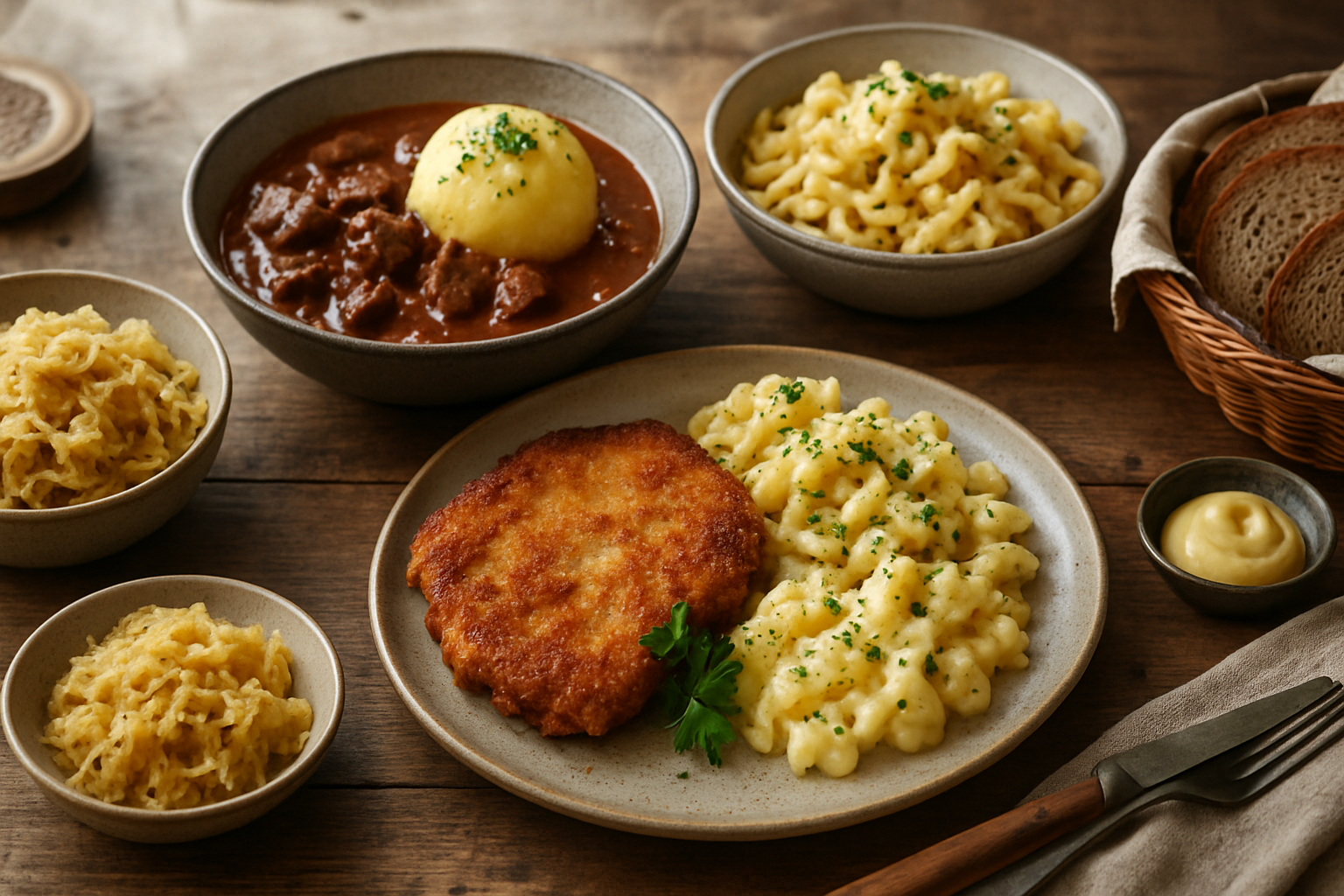 Classic German Dishes: Traditional Recipes
Discover Classic German Dishes that bring authentic flavours and timeless recipes to your kitchen. Dive into hearty meals and traditional favourites you’ll love.