
Alltagsküche
Kochen, wie es zuhause schmeckt
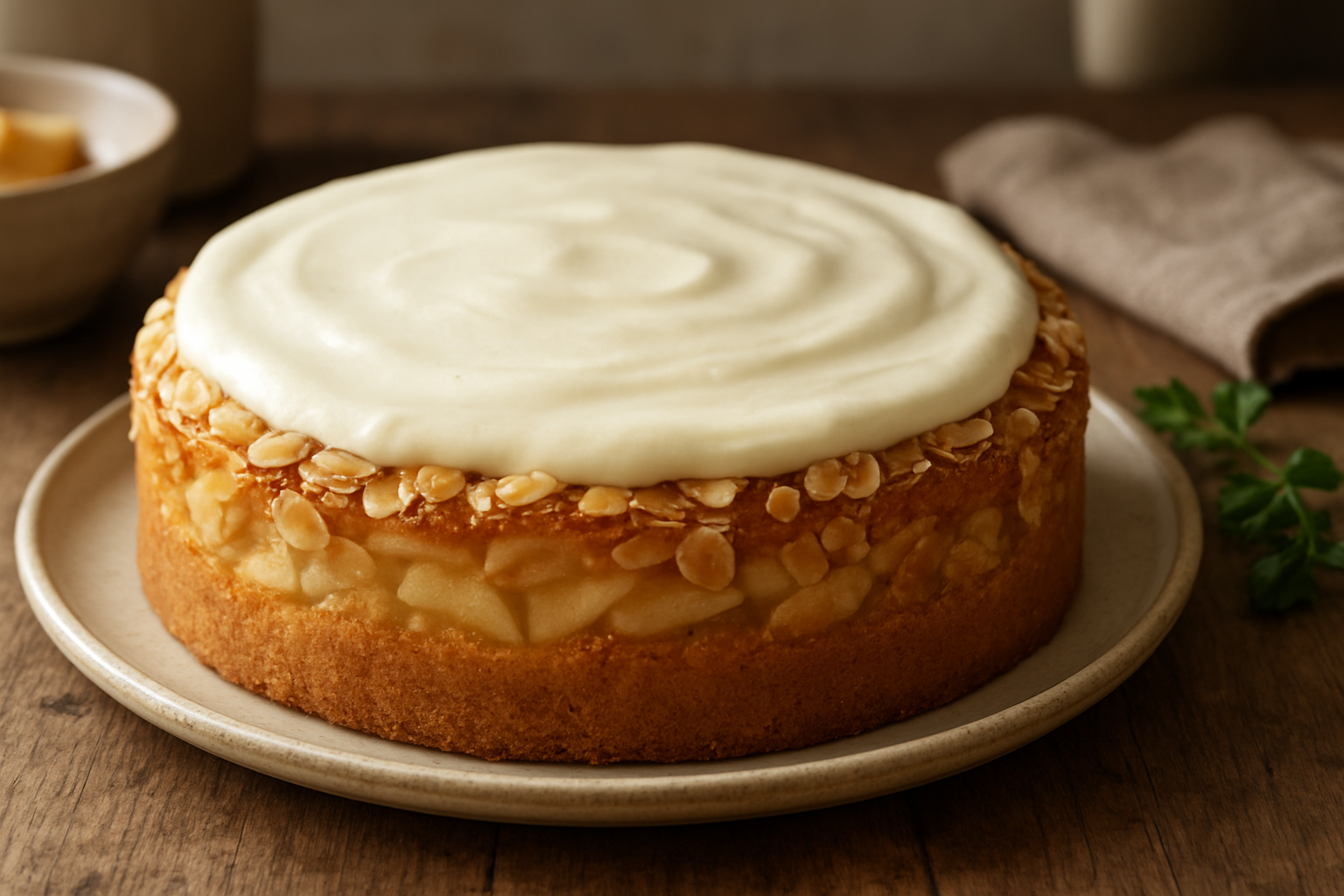
Apple White Wine Cream Tart – A Classic German Autumn Dessert
🛒 Ingredients
- ✓
200 g butter
- ✓
125 g sugar
- ✓
1 organic egg
- ✓
1 pinch of salt
- ✓
1 sachet vanilla sugar
- ✓
300 g plain flour
- ✓
1 level tsp baking powder
- ✓
4 apples (such as Boskoop or Braeburn)
- ✓
200 ml white wine
- ✓
250 g sugar
- ✓
1 sachet vanilla custard powder
- ✓
sponge fingers (about 50 g)
- ✓
apricot jam, for brushing
- ✓
50 g flaked almonds
This recipe is also available in German.
Explore these articles
📌 Overview
The apple white wine cream tart is a beloved German dessert combining tart apple slices with a smooth vanilla-infused white wine custard atop a crisp buttery shortcrust. Originating from regions like Bavaria and Rhineland, this tart is a seasonal favourite in autumn, celebrated for its balance of fresh fruit and velvety cream, best served chilled for an elegant finish.
👨🍳 Preparation
- 1
Put the butter and sugar into a mixing bowl and beat until light and creamy. Add the egg, salt and vanilla sugar, then mix well.
- 2
Mix the flour with the baking powder, then add it gradually to the butter mixture. Using a dough hook on a low speed, work it into a smooth dough.
- 3
Shape the dough into a ball with your hands, wrap it in cling film and leave it to rest in the fridge for at least 30 minutes.
- 4
Meanwhile, peel and core the apples, then cut them into slices roughly 1 cm thick.
- 5
Preheat the oven to 180°C conventional.
- 6
Roll out the chilled dough thinly on a lightly floured surface so that it is slightly larger than a 26 cm springform tin.
- 7
Grease the tin with butter. Loosely roll the pastry around the rolling pin, lift it into the tin and press it in, bringing the pastry up the sides.
- 8
Crush the sponge fingers into fine crumbs and scatter them evenly over the pastry base to stop it becoming soggy during baking.
- 9
Arrange the apple slices closely together over the crumb base.
- 10
Measure out 200 ml white wine and set it aside. Bring the remaining white wine and 250 g sugar to the boil in a saucepan.
- 11
Stir the vanilla custard powder with the reserved white wine until smooth, then whisk it into the boiling wine. Let it bubble briefly until the cream thickens.
- 12
Pour the hot wine cream evenly over the apples.
- 13
Bake in the preheated oven for about 60 minutes, until the filling is set and the edges are golden.
- 14
Once baked, remove the tin carefully using oven gloves and leave the tart to cool completely, ideally chilling it in the fridge overnight.
- 15
Run a knife carefully around the edge of the tin, then remove the springform ring.
- 16
Warm the apricot jam in a small saucepan until runny, then brush it around the edge of the tart.
- 17
Toast the flaked almonds in a dry non-stick frying pan until golden, leave them to cool, then press them onto the jam-coated edge.
🧠 Why It Works
This tart harmonises the natural acidity of Boskoop or Braeburn apples with the sweet, aromatic vanilla white wine custard, creating a balanced interplay of tartness and creaminess. The buttery shortcrust provides a crisp, sturdy base that contrasts with the soft, set filling. The use of sponge finger crumbs prevents sogginess, maintaining texture integrity. Toasted almonds add a nutty crunch, enhancing mouthfeel and regional authenticity. The gentle cooking of the custard ensures a silky texture, while chilling allows the flavours to meld, reflecting traditional German baking precision.
🛠️ Troubleshooting
Why is my custard too runny after baking?
Ensure the custard mixture reaches a gentle boil and thickens before pouring over the apples. Also, baking for the full recommended time helps the filling set properly.
How can I fix a soggy tart base?
Next time, blind bake the pastry for 10 minutes before adding the filling and use sponge finger crumbs to absorb moisture, preventing sogginess.
What if the tart edges brown too quickly?
Cover the edges with foil halfway through baking to prevent over-browning while allowing the filling to cook through evenly.
How should I reheat leftover tart?
Reheat gently in a low oven (around 120°C) for 10–15 minutes to warm without compromising the custard texture, or enjoy chilled for best flavour.
Can I freeze the tart?
Freezing is not recommended as the custard texture may degrade. It’s best enjoyed fresh within three days refrigerated.
💡 Tips and Variations
- •
For a richer version, use a really good-quality salted butter and add a splash of cream to the wine filling for extra silkiness.
- •
For especially even baking, line the base of the springform tin with baking parchment and blind bake the pastry for 10 minutes first.
- •
The real character of this tart comes from the contrast between the apples' fresh sharpness and the sweet vanilla wine cream.
- •
This tart is already vegetarian; for a vegan version, make the pastry with plant-based margarine and use an egg replacer.
- •
You can swap the apples for sliced pears if you'd prefer a softer, gentler sweetness.
- •
A small squeeze of lemon juice in the wine cream lifts the flavours beautifully and adds a little extra freshness.
- •
For a quick gluten-free and vegan adaptation, use gluten-free flour and plant-based butter, replace the custard powder with cornflour, and use apple purée in place of the egg.
- •
The secret to this tart is proper chilling, which gives the wine cream its perfect texture and allows all the flavours to settle together.
📦 Storage
Keep the tart covered in the fridge for up to 3 days. It is best served fresh and nicely chilled so the wine cream stays at its most delicate and refreshing.
🍷 Pairing
A dry German Riesling with its vibrant acidity and crisp minerality beautifully elevates the tart’s fresh apple notes and balances the creamy vanilla custard. Complementing this, a Silvaner from Franconia offers a subtle earthiness and gentle fruitiness that harmonises with the almond topping and buttery crust. For an international touch, a chilled French Vouvray, with its delicate minerality and soft floral aromas, mirrors the tart’s elegance and enhances the wine cream’s complexity, creating a refined and regionally coherent tasting experience.
❓ F.A.Q.
What type of apples are best for this tart?
Firm, tart apples like Boskoop or Braeburn are ideal as they hold their shape during baking and provide a fresh, sharp contrast to the sweet wine cream.
Can I prepare this tart in advance?
Yes, chilling the tart overnight enhances the custard’s texture and allows the flavours to develop fully, making it perfect for make-ahead serving.
Is it possible to make this tart vegan or gluten-free?
Absolutely. Use plant-based margarine and an egg replacer for vegan pastry, substitute gluten-free flour, and replace custard powder with cornflour for a gluten-free and vegan adaptation.
How do I prevent the pastry from becoming soggy?
Sprinkling crushed sponge fingers over the pastry base before adding the apples absorbs excess moisture, keeping the crust crisp.
What is the role of white wine in the custard?
White wine adds aromatic complexity and subtle acidity, balancing the sweetness of the custard and complementing the apples’ tartness.
Can I substitute the apples with other fruits?
Yes, sliced pears offer a softer, milder sweetness that pairs well with the vanilla wine cream for a gentle variation.
🏛️ History and Tradition
The apple white wine cream tart is a traditional German dessert rooted in the fruit-rich regions of Bavaria and the Rhineland, where autumn harvests inspire seasonal baking. Historically, the use of local apples like Boskoop and the incorporation of white wine custard reflect centuries-old culinary practices blending fruit preservation with wine-making traditions. Often enjoyed during harvest festivals and family gatherings, this tart embodies German values of simplicity, regionality, and balance, reinforcing its place in everyday and festive cuisine while showcasing Alltagsküche’s commitment to authentic German baking heritage.
If you're after a pudding that feels both comforting and a little bit special, this tart is well worth making. The crisp pastry, soft apples and delicate wine cream come together beautifully, and it’s one of those bakes that always feels rather lovely to share. Do give it a try at home, and if you do, serve it well chilled and enjoy it with family or friends over a relaxed afternoon.
Rate this recipe
Click or tap the stars to rate
Explore these guides
-
 30 Apple Cake Recipes: Classic, Easy & Moist Apple Cakes for Every Occasion
Discover the best apple cake recipes, from classic favorites to quick and moist cakes perfect for any occasion.